


ICH for All
Spring Scrolls and Cantonese Dialect Workshop 2025
Presented by
Organized by
Sponsored by



"Spring Scrolls and Cantonese Dialect" workshop was a 2-year project, presented by the Intangible Cultural Heritage (ICH) Office and organized by Fair Trade Hong Kong Foundation (FTHK) with the support from the "Intangible Cultural Heritage Funding Scheme".
The "Spring Scrolls and Cantonese Dialect" workshop began in early 2024 and completed in 2025. The workshop targeted mainly ethnic minority women, teaching them daily life Cantonese phrases, New Year greetings, the customs of putting on spring scrolls and Chinese calligraphy skills, with the aims of helping participants to improve their spoken Cantonese skills and enhance their understanding of traditional Chinese culture and local intangible cultural heritage in order to support their integration into the local community.
Within 2024 and 2025, a total of 14 batches of workshops were conducted, including 7 batches in 2024 and additional 7 batches in 2025. The workshop was a great success and well received by the ethnic minority participants.
In 2025, we introduced the advanced level workshop in response to the feedback from first-year participants, demonstrating their interest in learning Cantonese and understanding traditional culture.
Cantonese dialect
Following the experience from 2024 workshops, in addition to teaching vocabulary and commonly used spoken words, we also placed emphasis on sentence structure and the practical use of words in daily conversations. This helped participants to gain a deeper understanding of Cantonese and increased their confidence when communicating with locals.
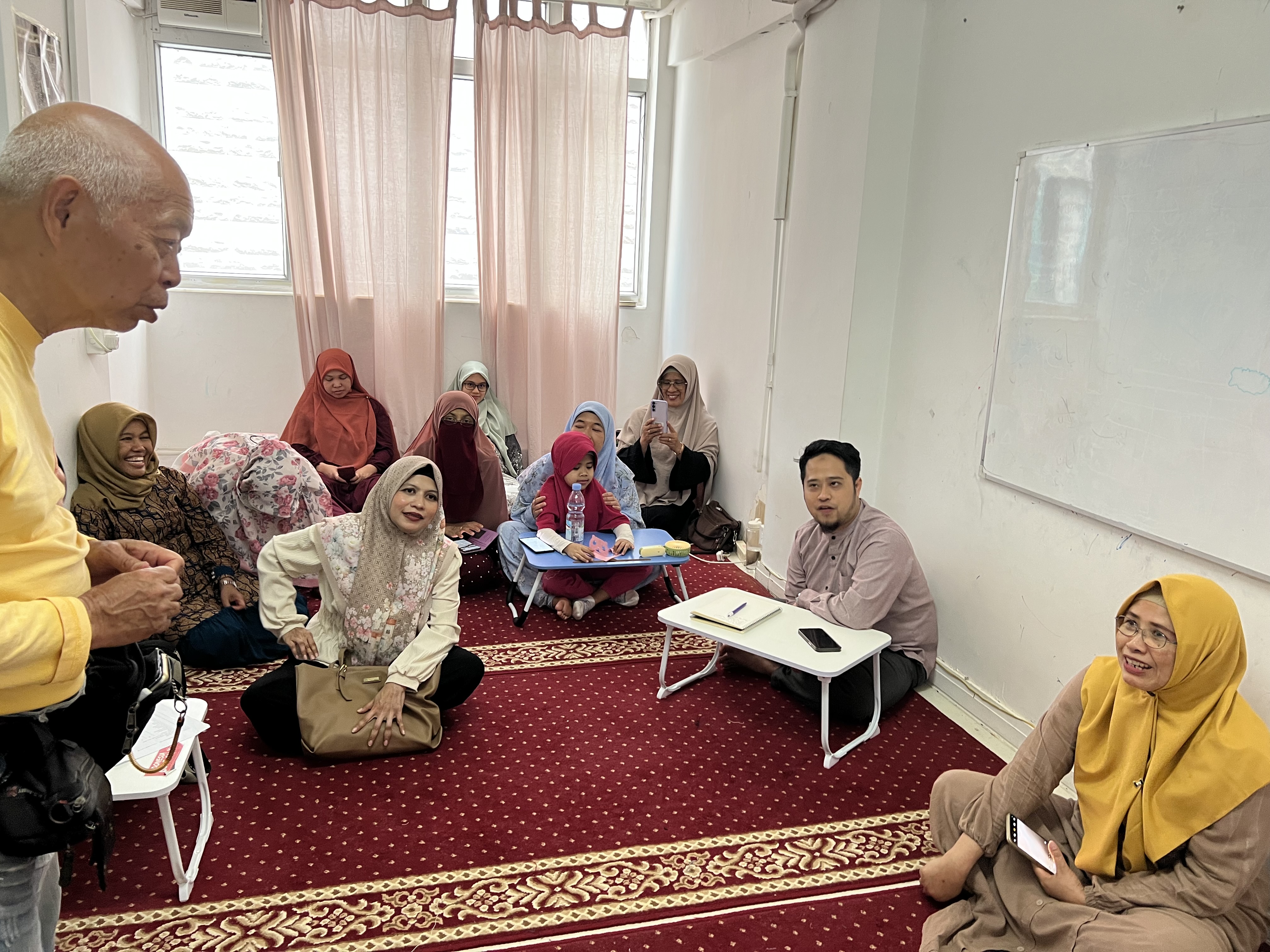
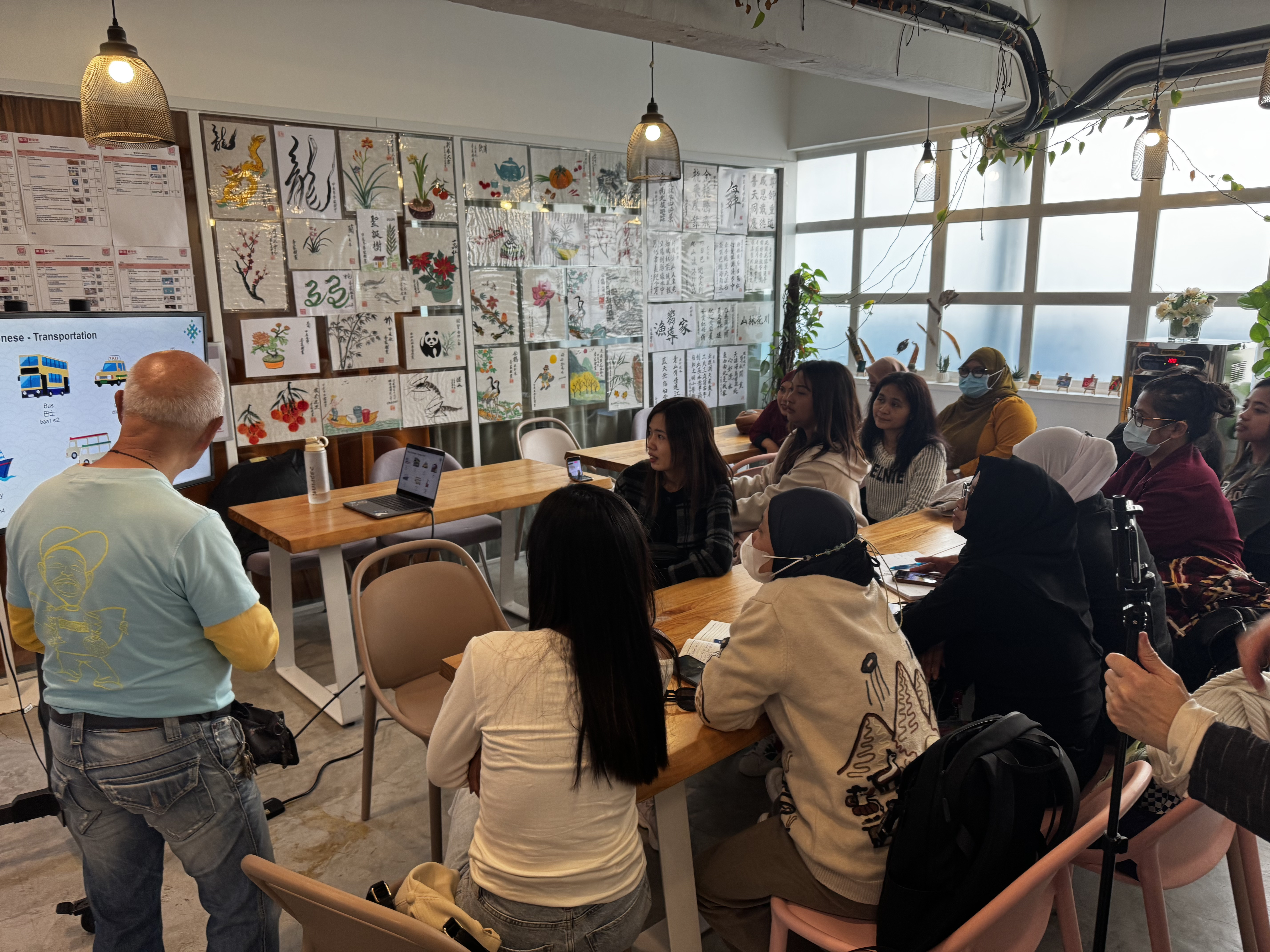
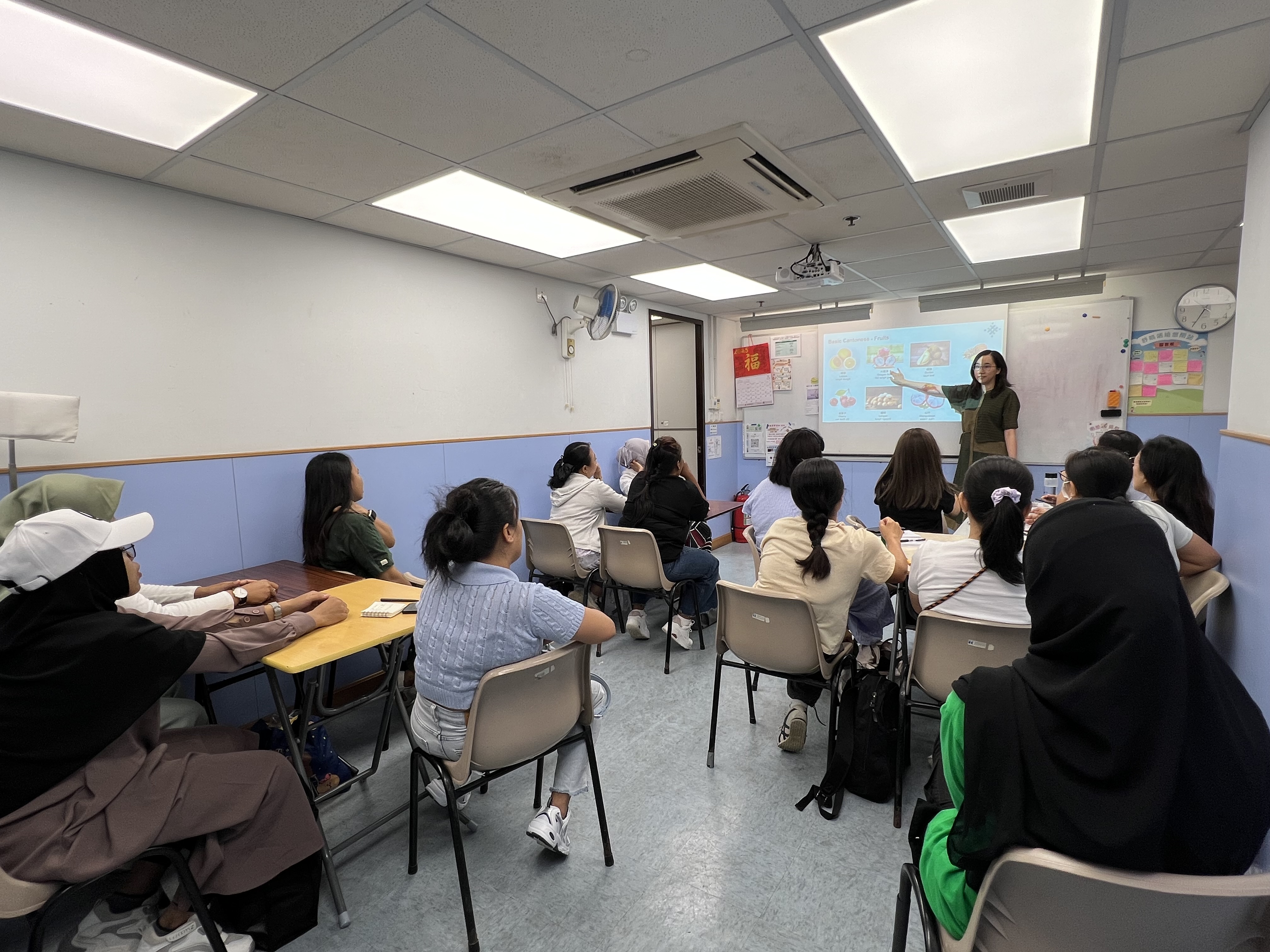
The different tones of Cantonese were introduced to improve their ability in pronunciation and listening skills. Participants became aware of the importance of tones in Cantonese and learnt how to differentiate between them in spoken language.
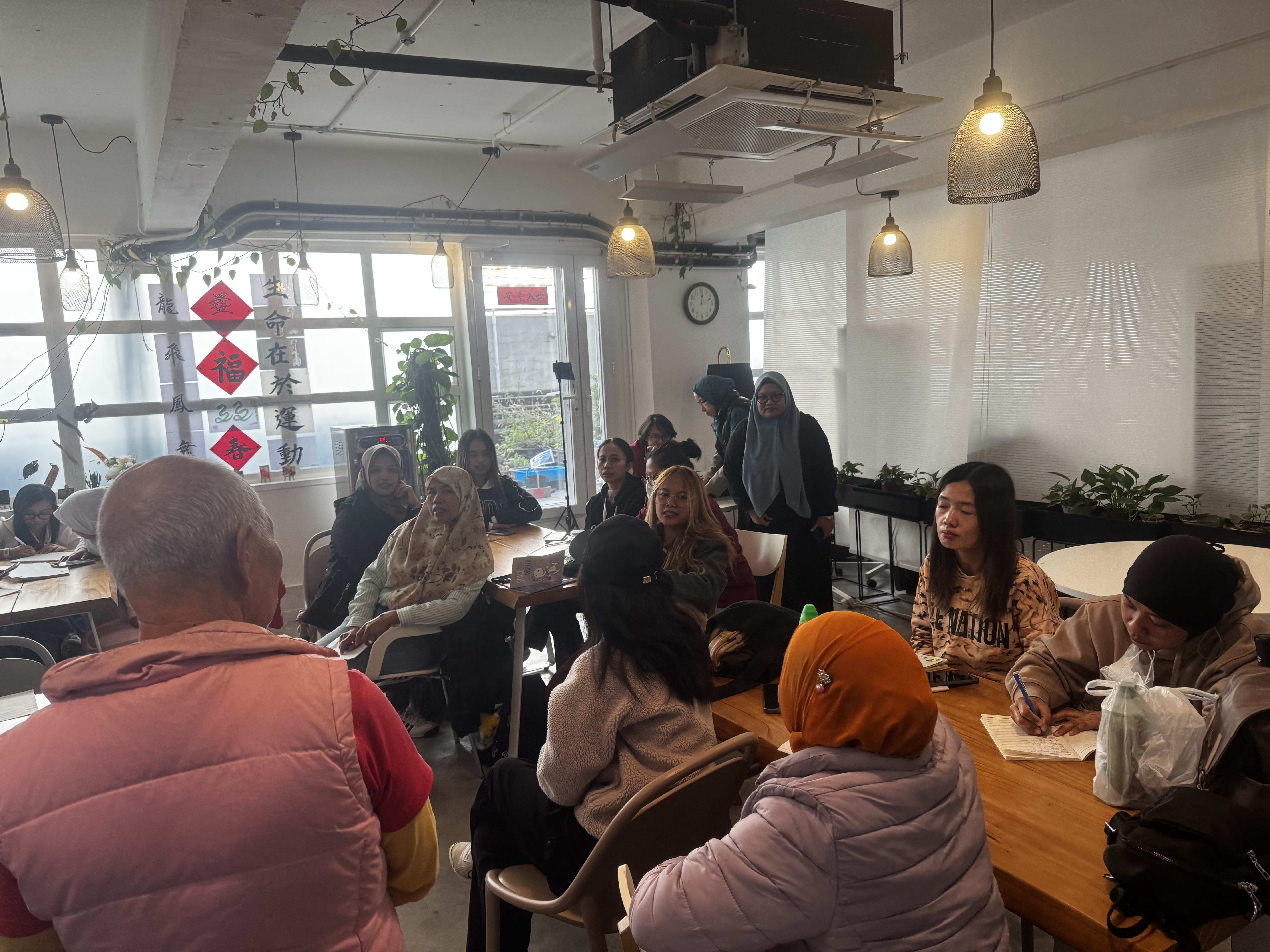
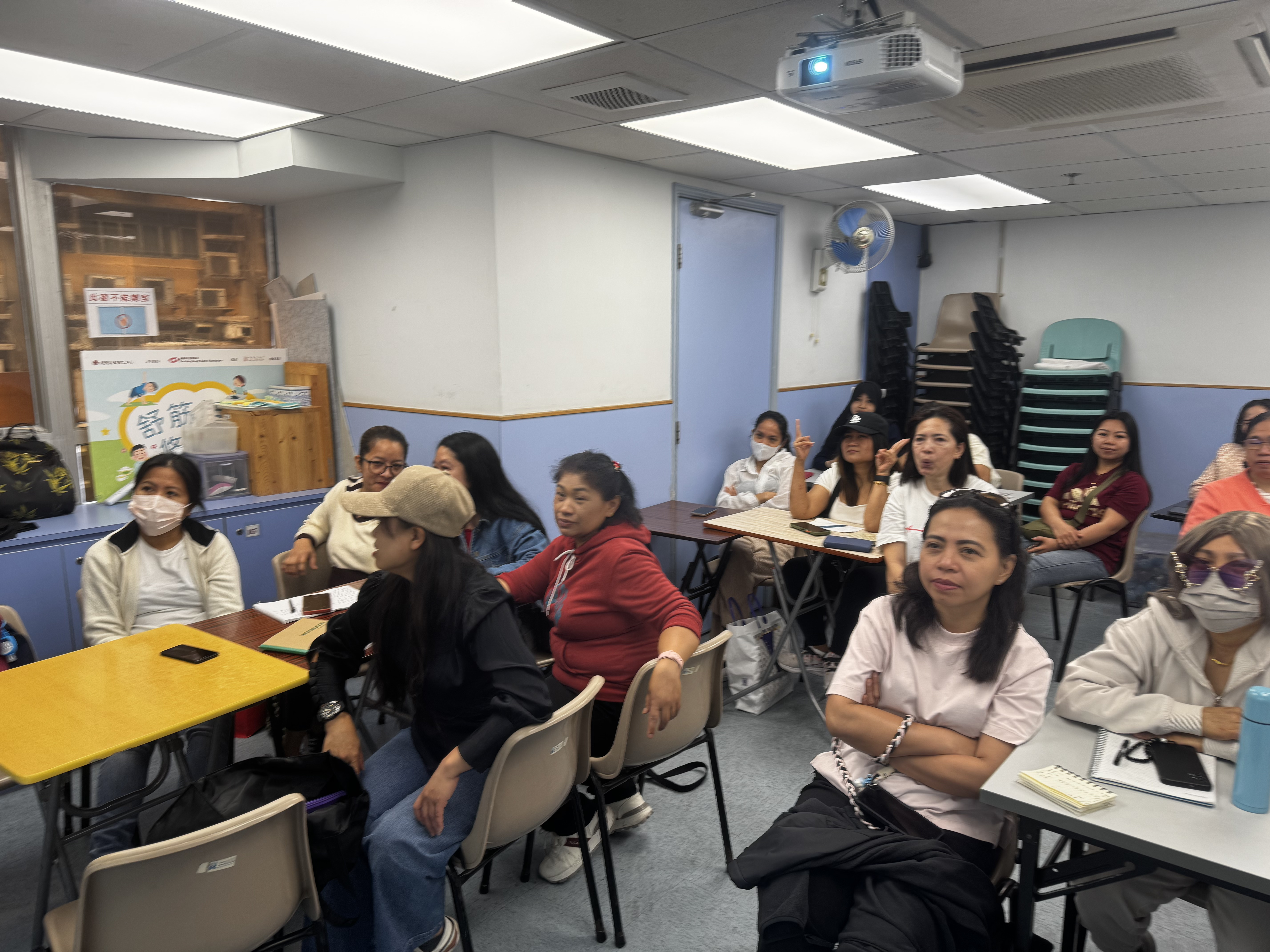
The newly introduced advanced-level classes focused on expanding participants' Cantonese vocabulary through lessons on local festival customs, traditions, historical landmarks and everyday necessities. This approach made learning Cantonese both engaging and enjoyable, while exposing participants to local customs and enabling them to converse confidently with locals on a variety of topics. For example:
| • | Ethnic minority participants become familiar with the names of many popular local dishes, pastries, cooking ingredients, utensils, and tools in Cantonese, which has greatly facilitated their daily interactions and communication with locals when shopping or dining out. |
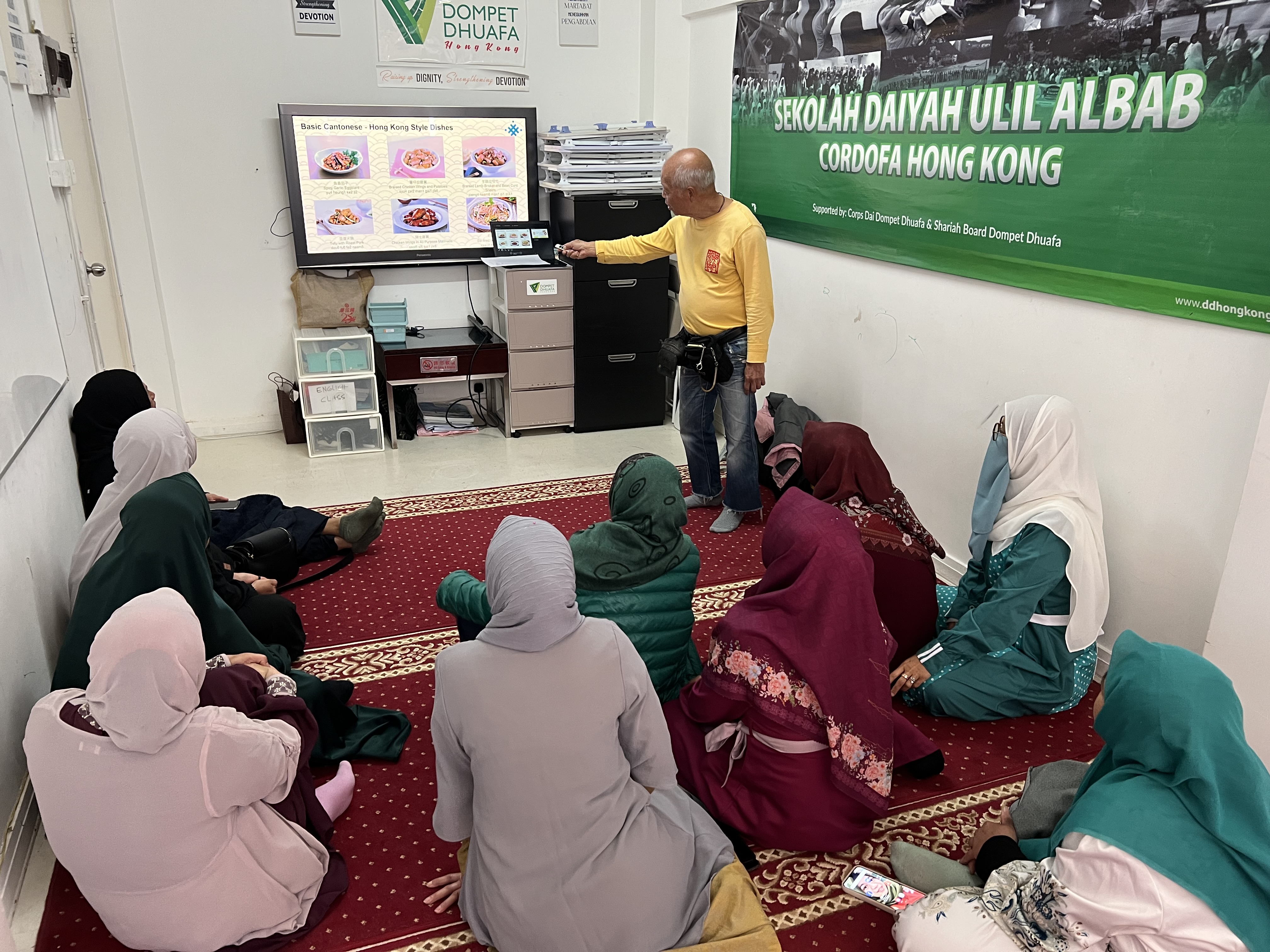
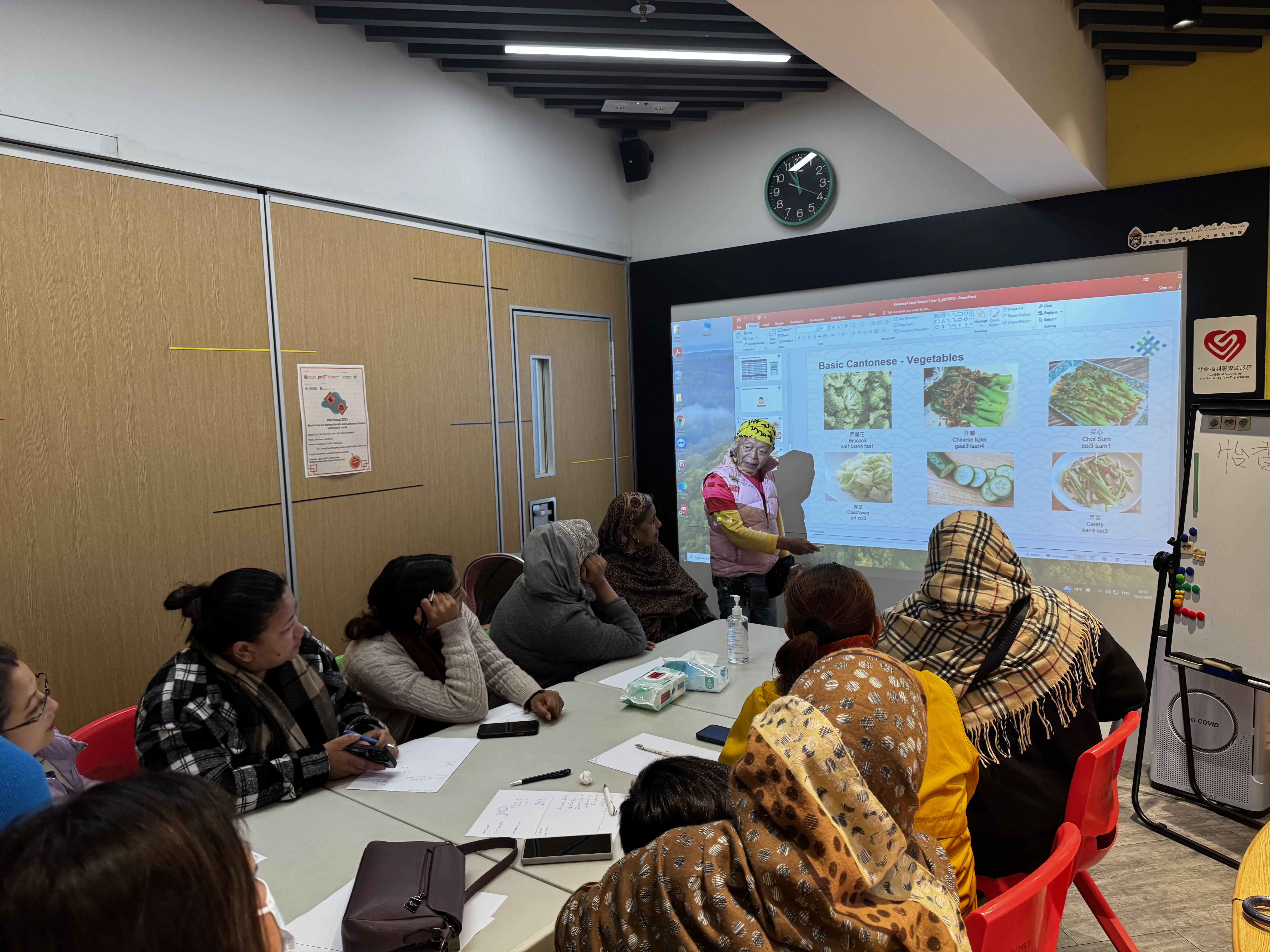
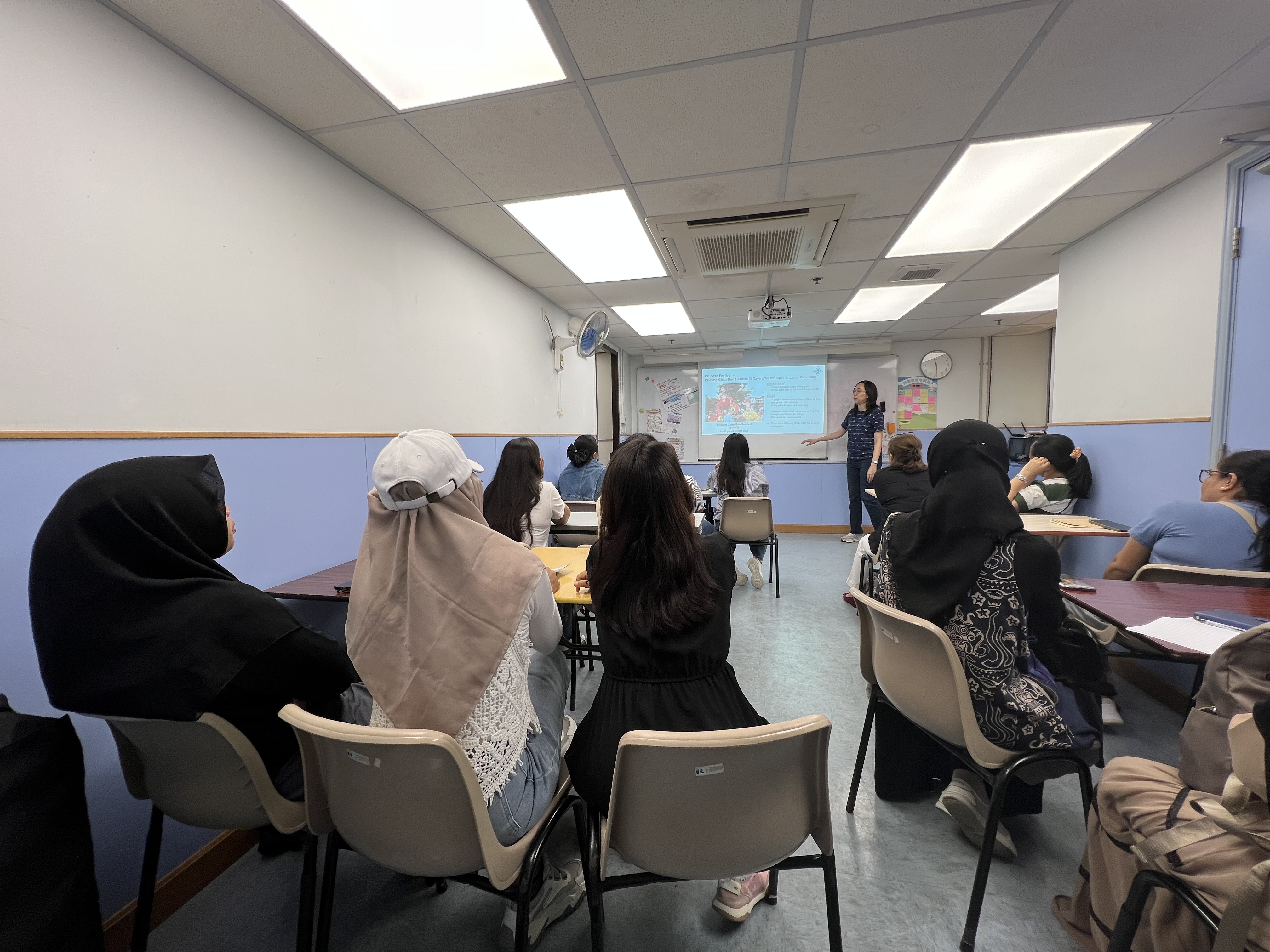
| • | Several key festivals commonly celebrated in Hong Kong, such as Ching Ming Festival, Dragon Boat Festival, Mid-Autumn Festival and Cheung Chau Bun Festival, along with their origins, associated customs and traditional foods, were presented in the advanced-level workshop. This helped participants understand the meaning of local customs, the unique ways these festivals are celebrated in Hong Kong and the reasons behind these traditional practices. The workshop also encouraged their engagement in festival activities. Additionally, participants were excited to share their own cultural traditions that promote a mutual understanding and genuine community inclusion. |
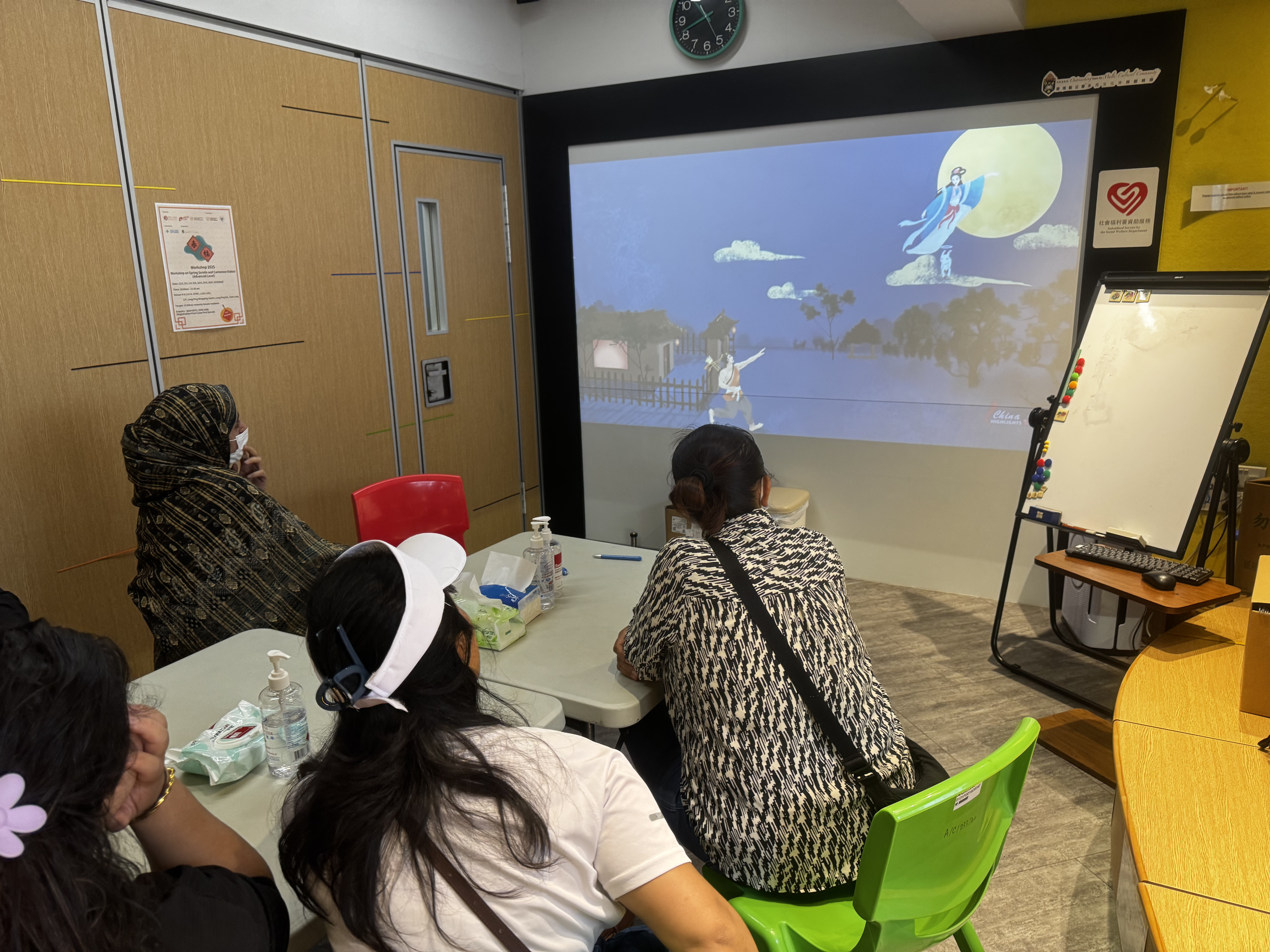
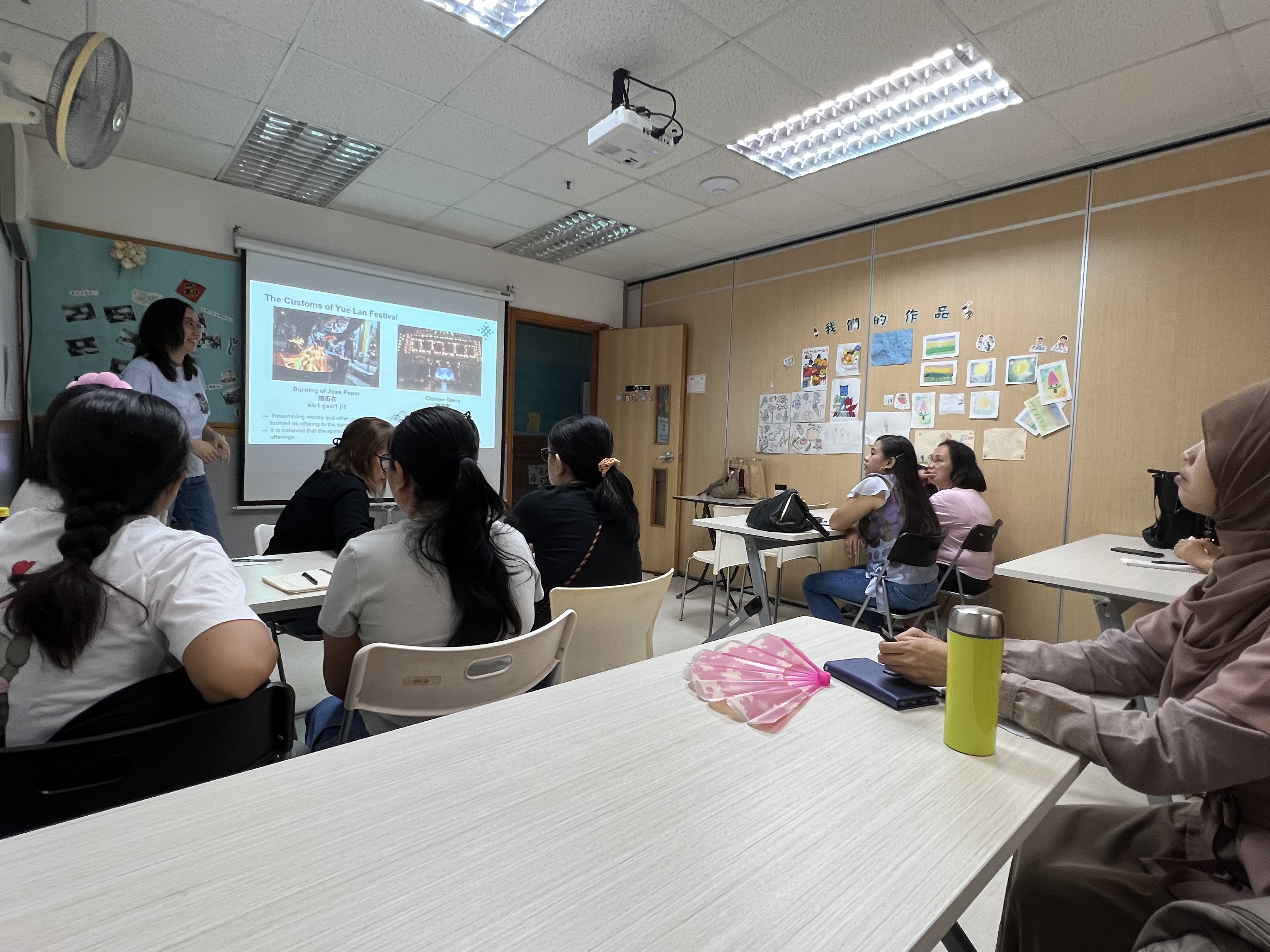
| • | Major landmarks in Hong Kong, including Wong Tai Sin Temple, Che Kung Temple, and vibrant districts like Mongkok and Central, were presented to highlight their unique architectural features and rich histories. This exposure deepened participants' appreciation of local heritage. |
Chinese calligraphy and spring scrolls
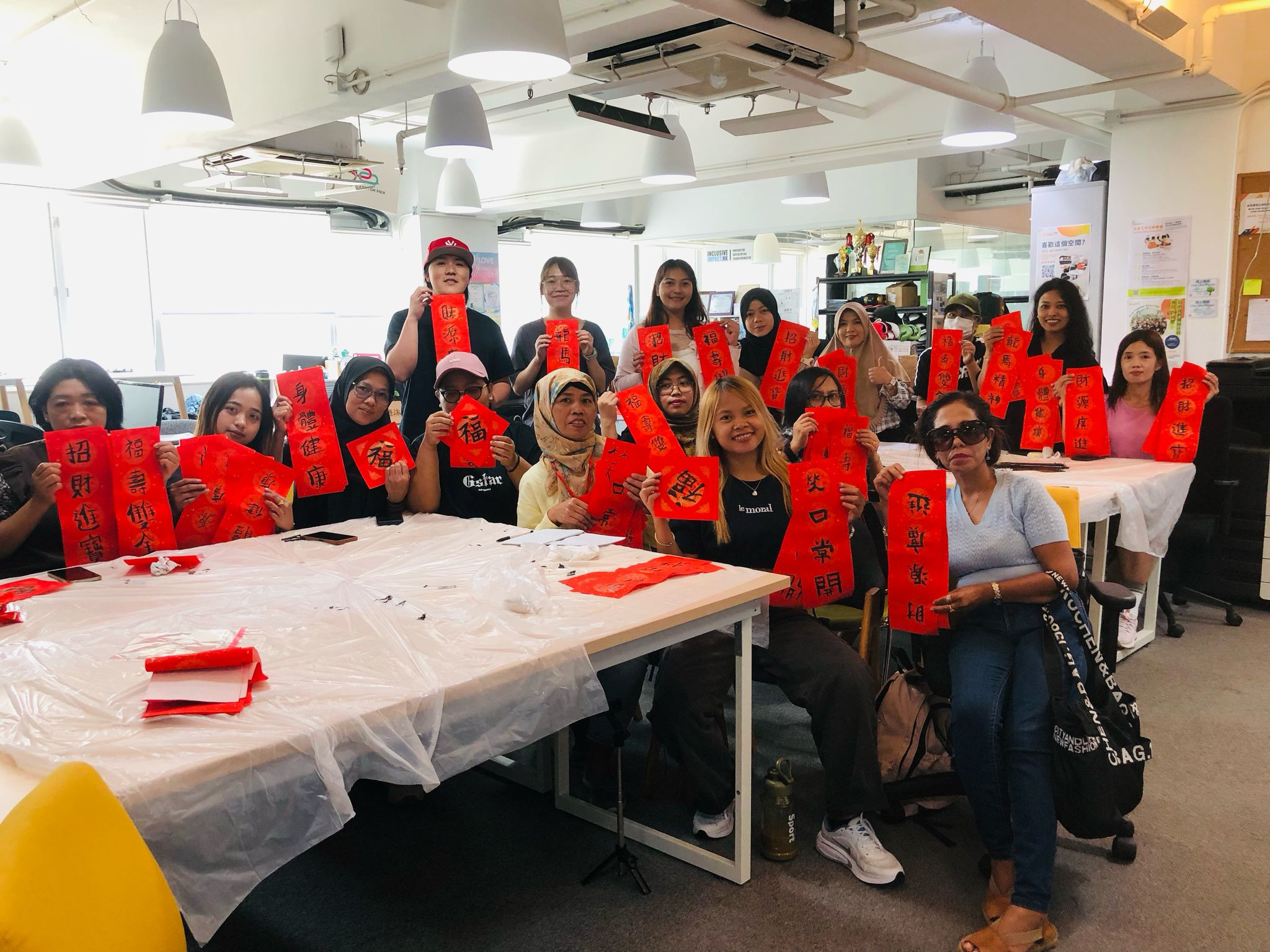
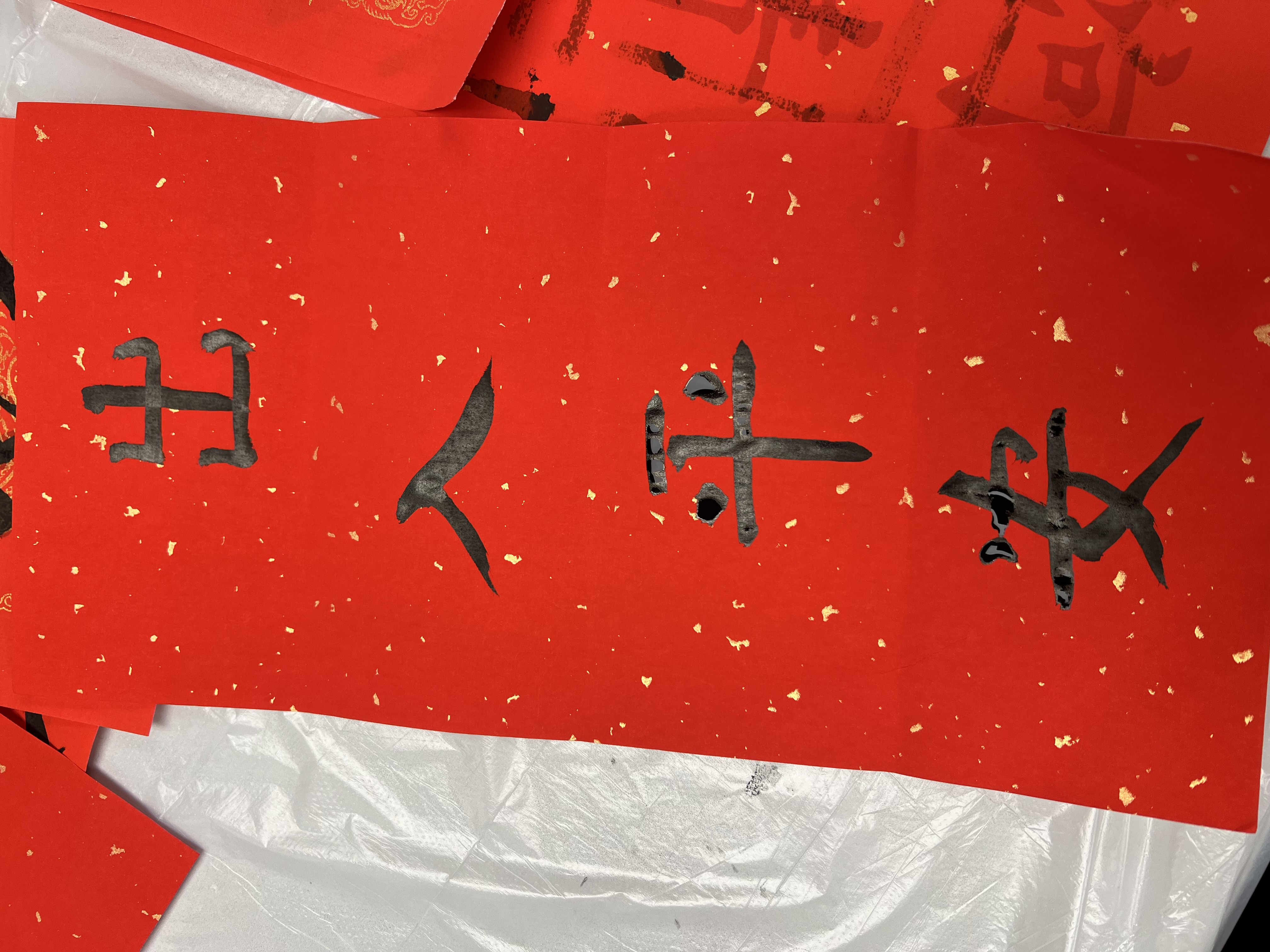
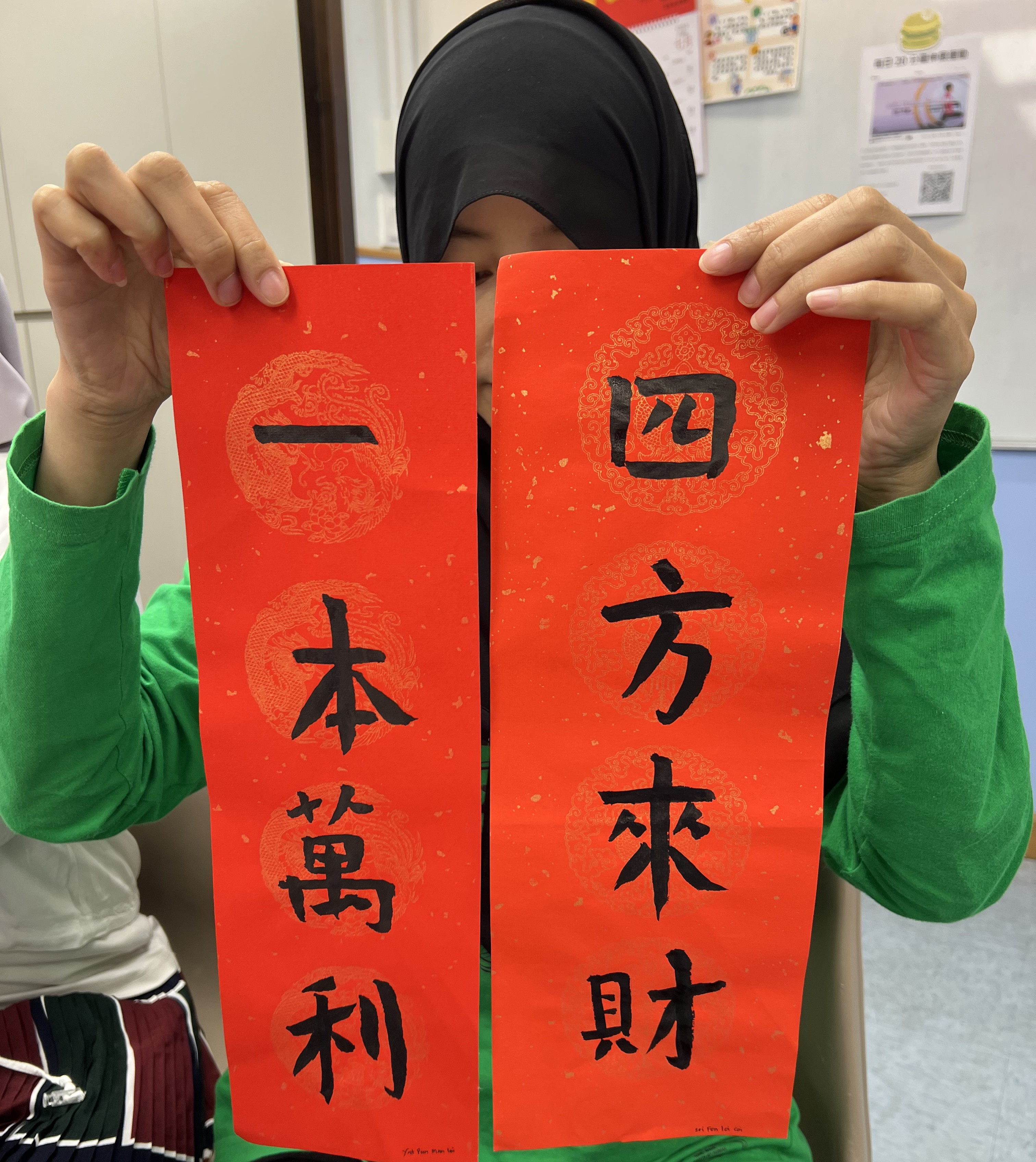
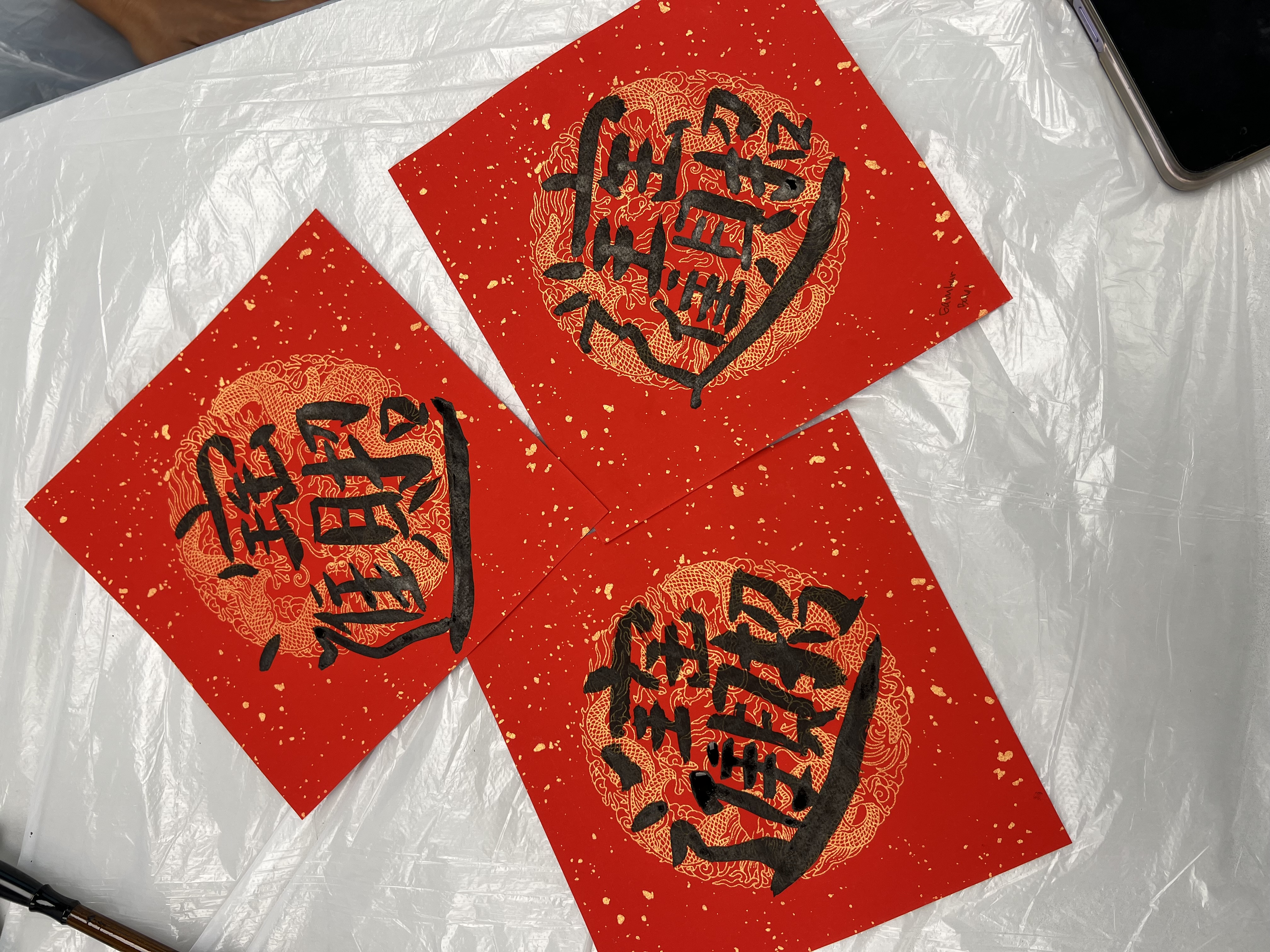
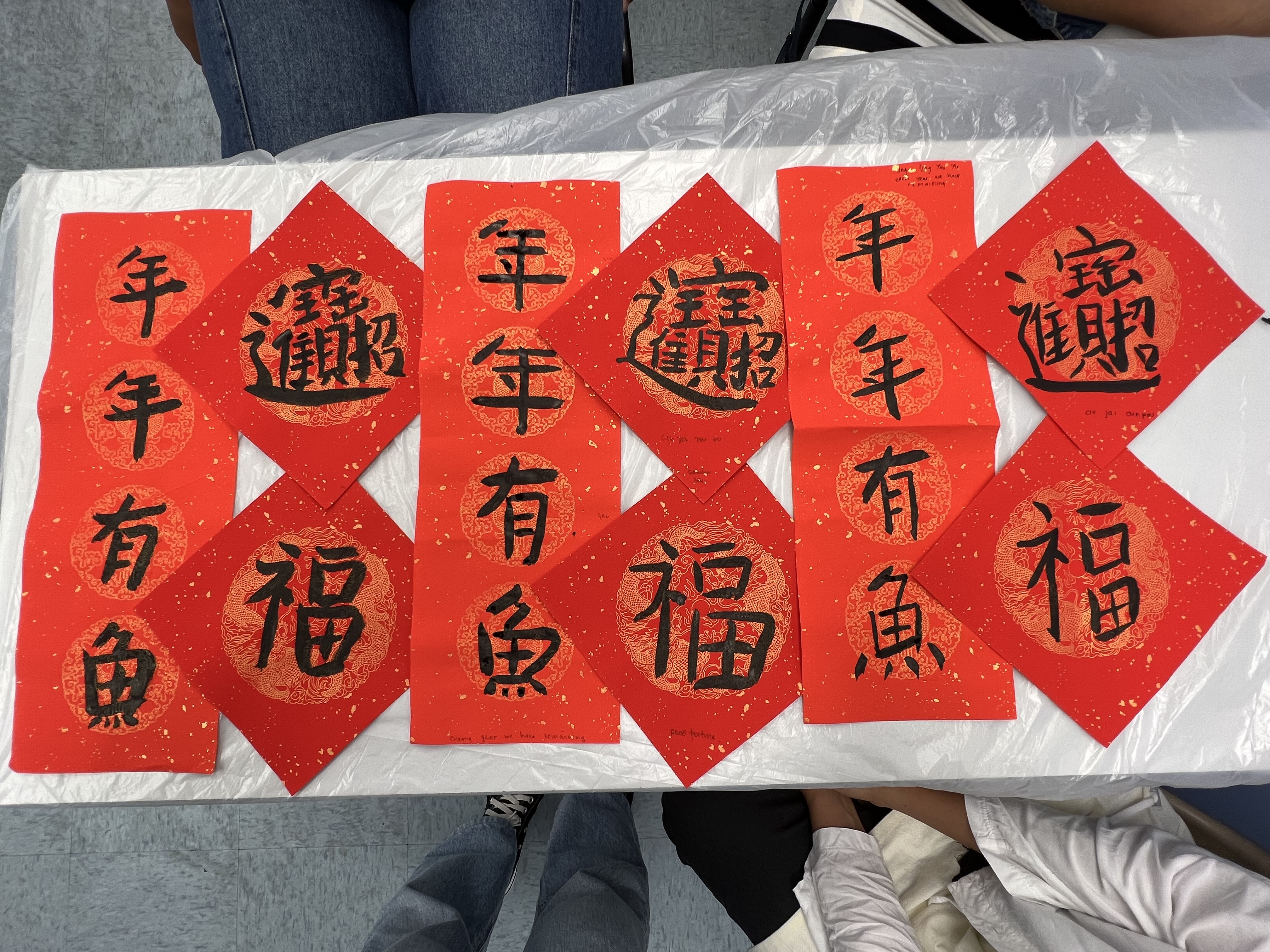
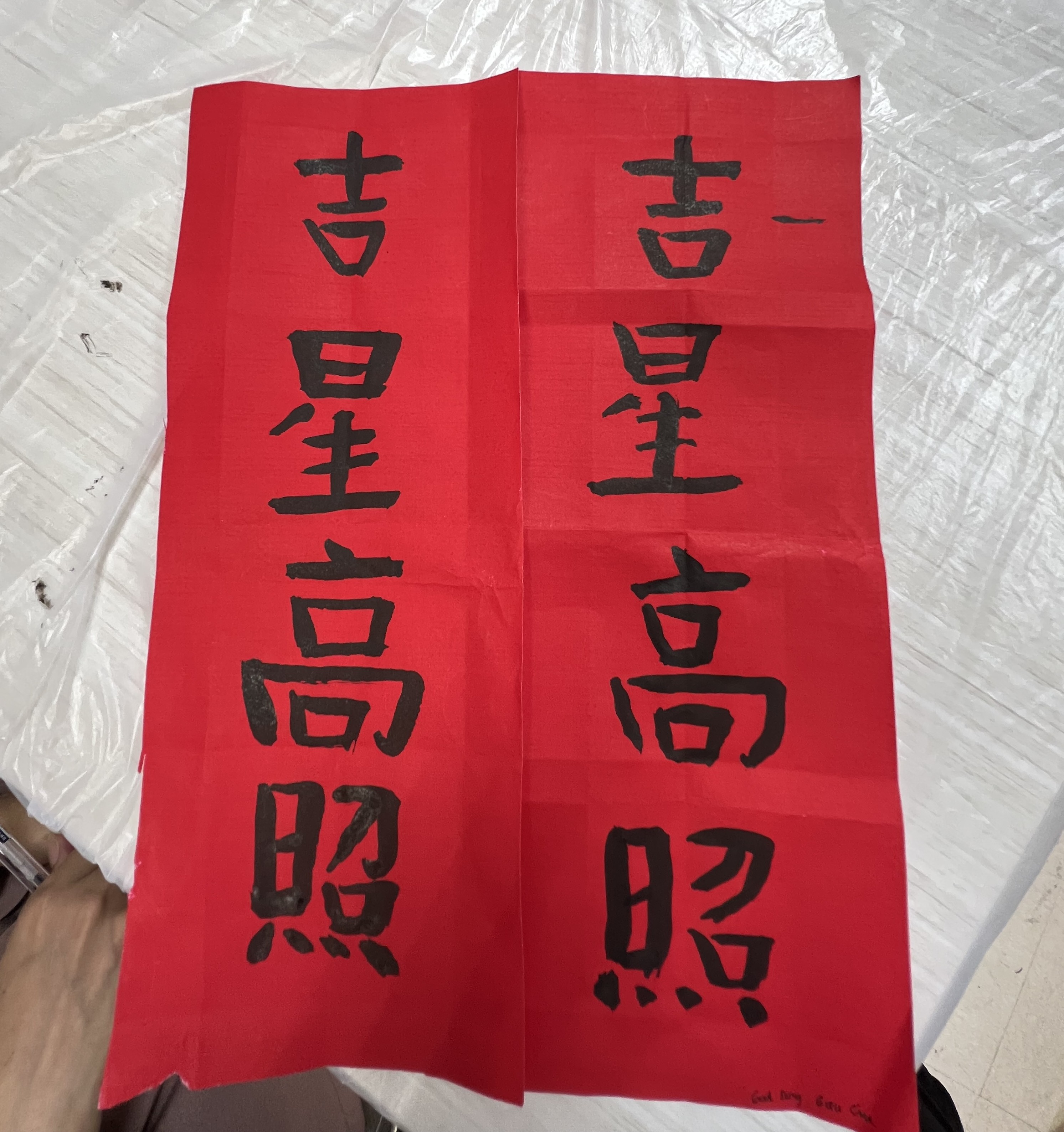
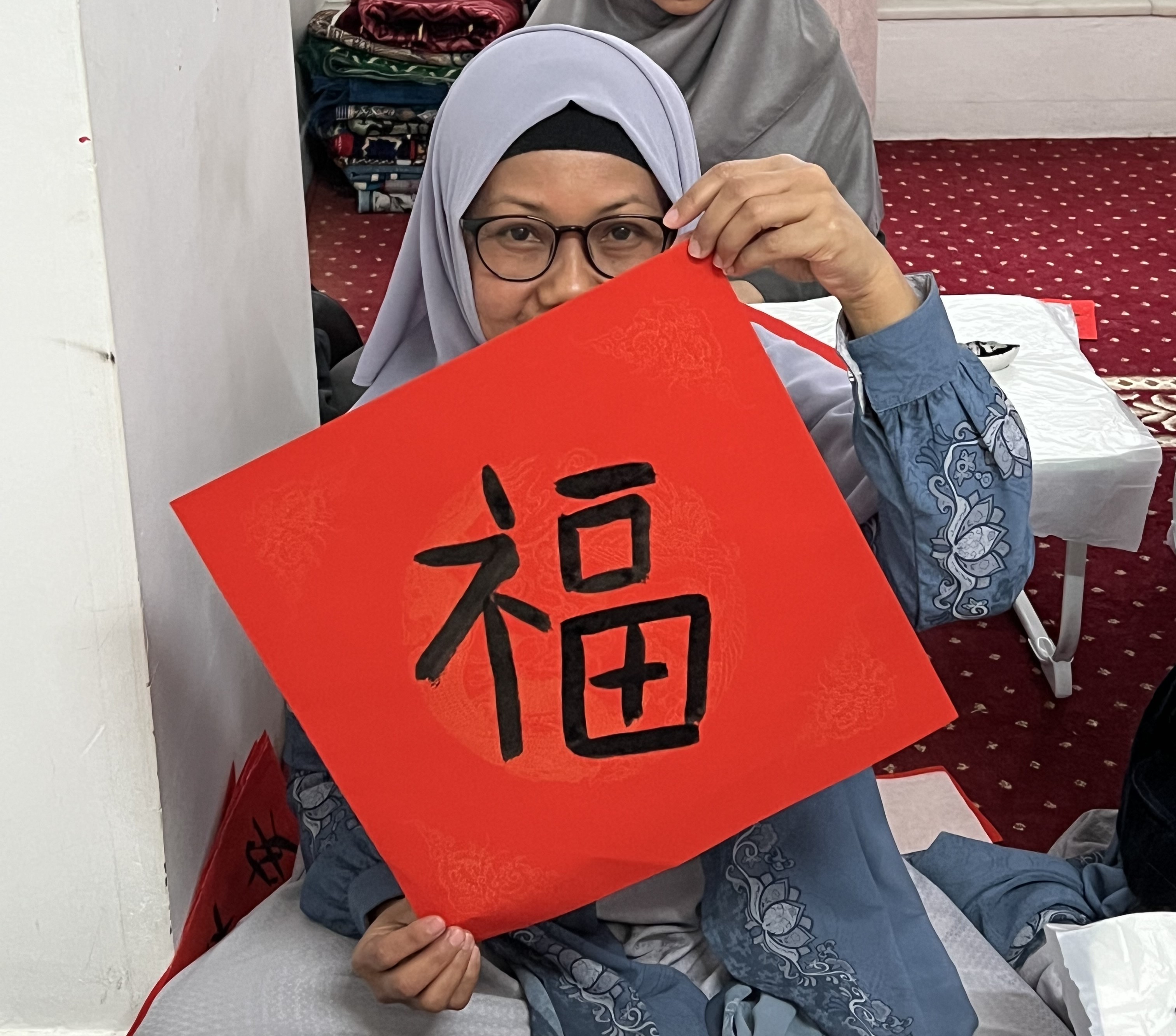
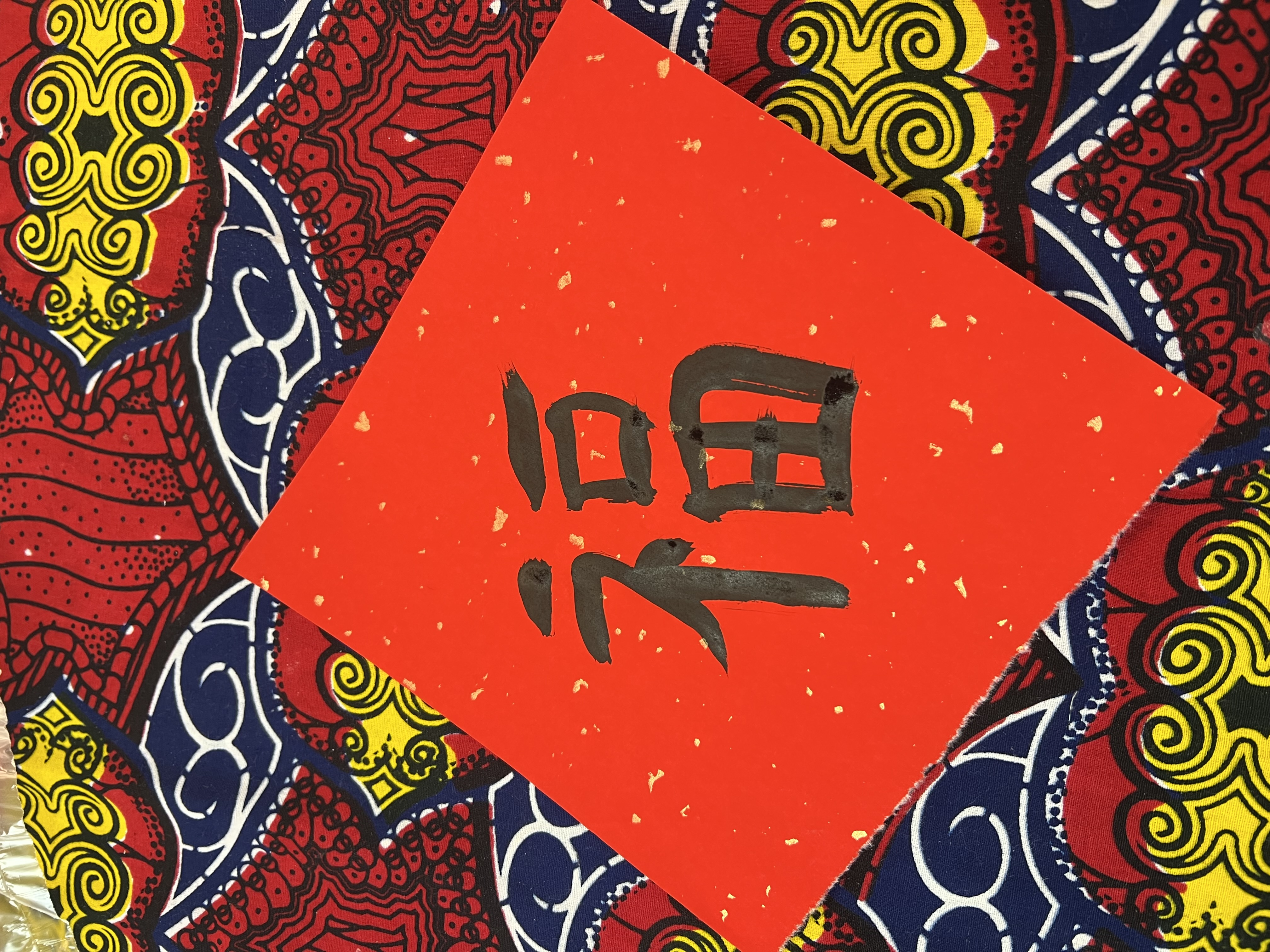
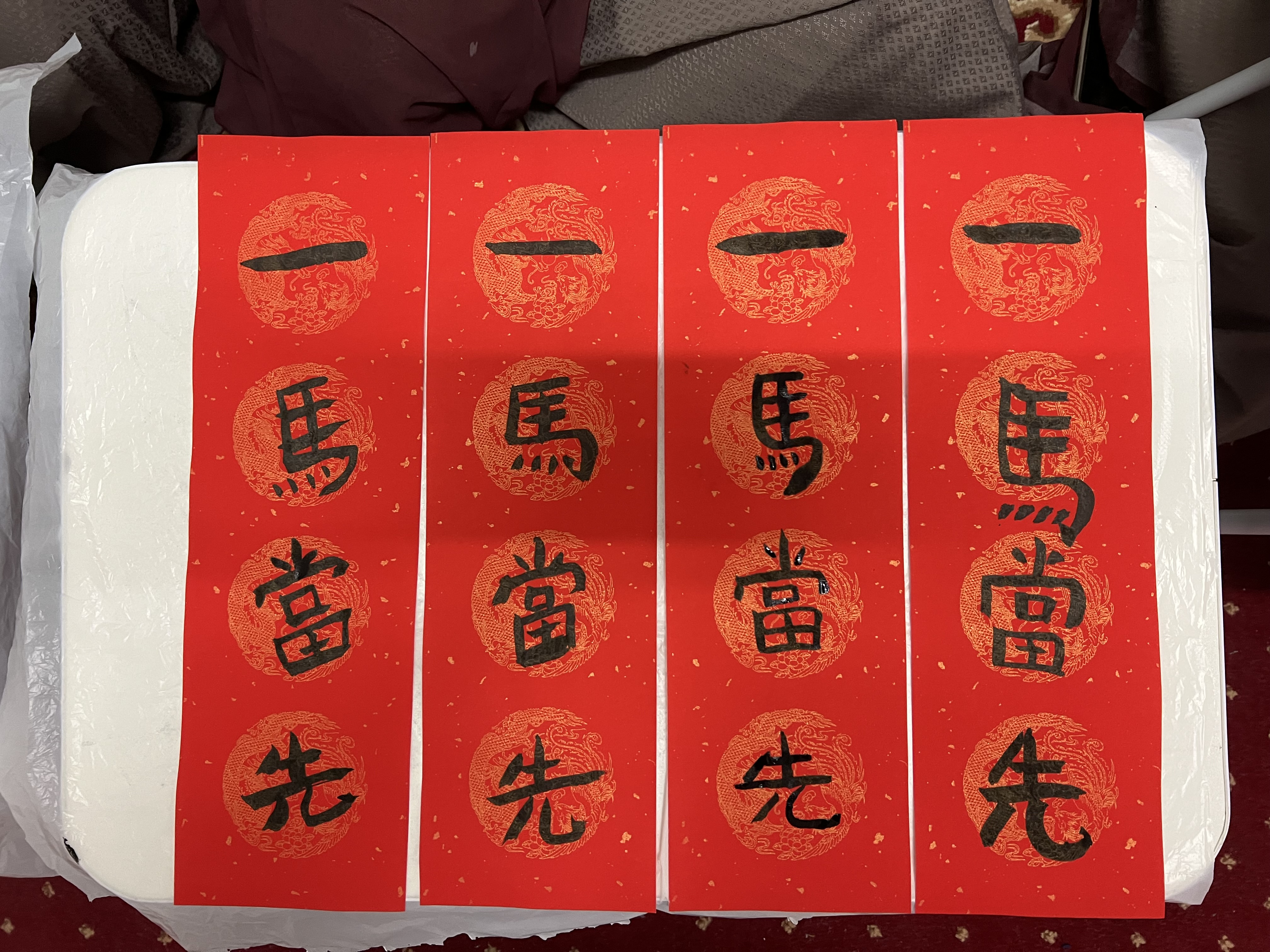
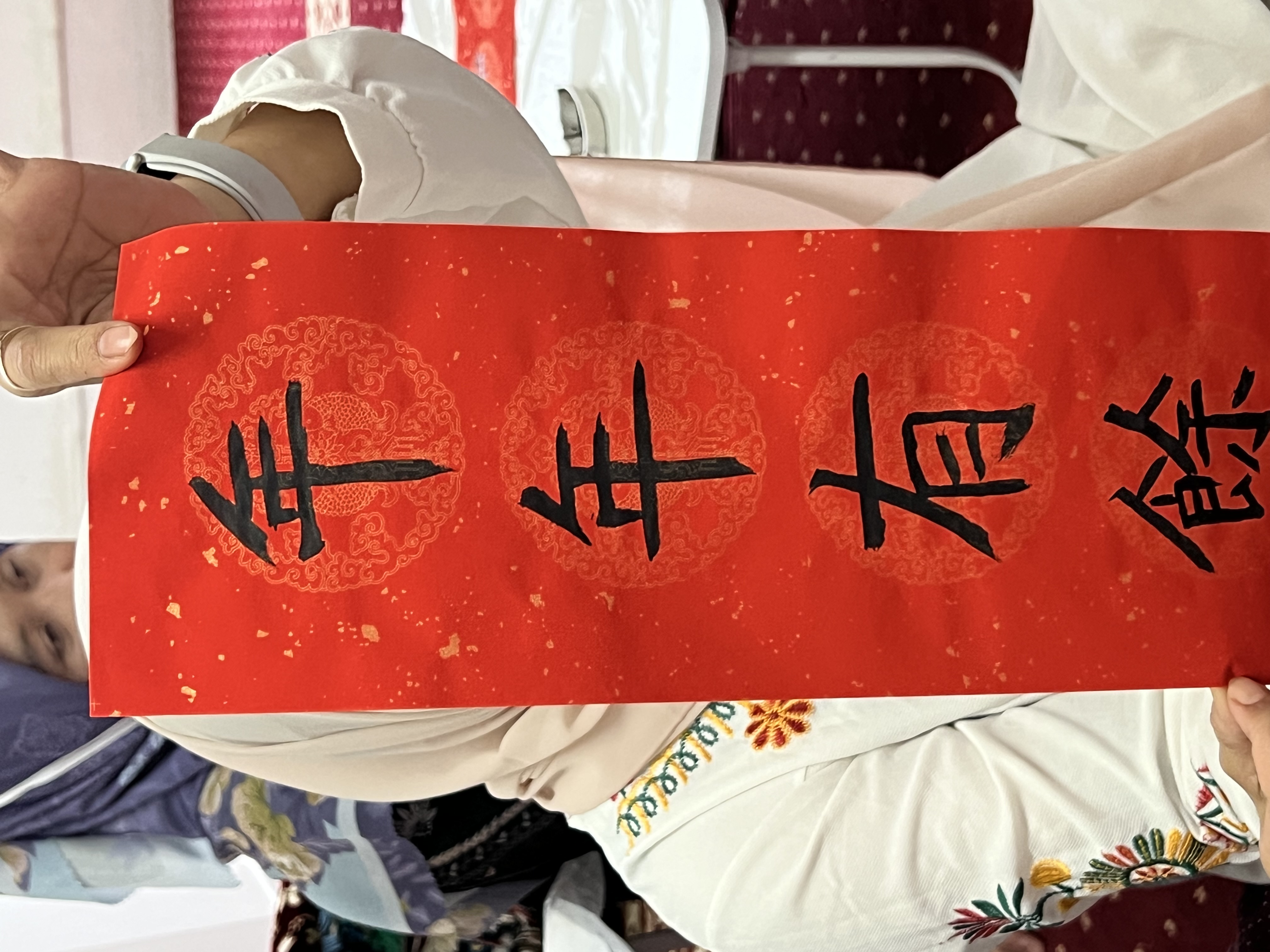
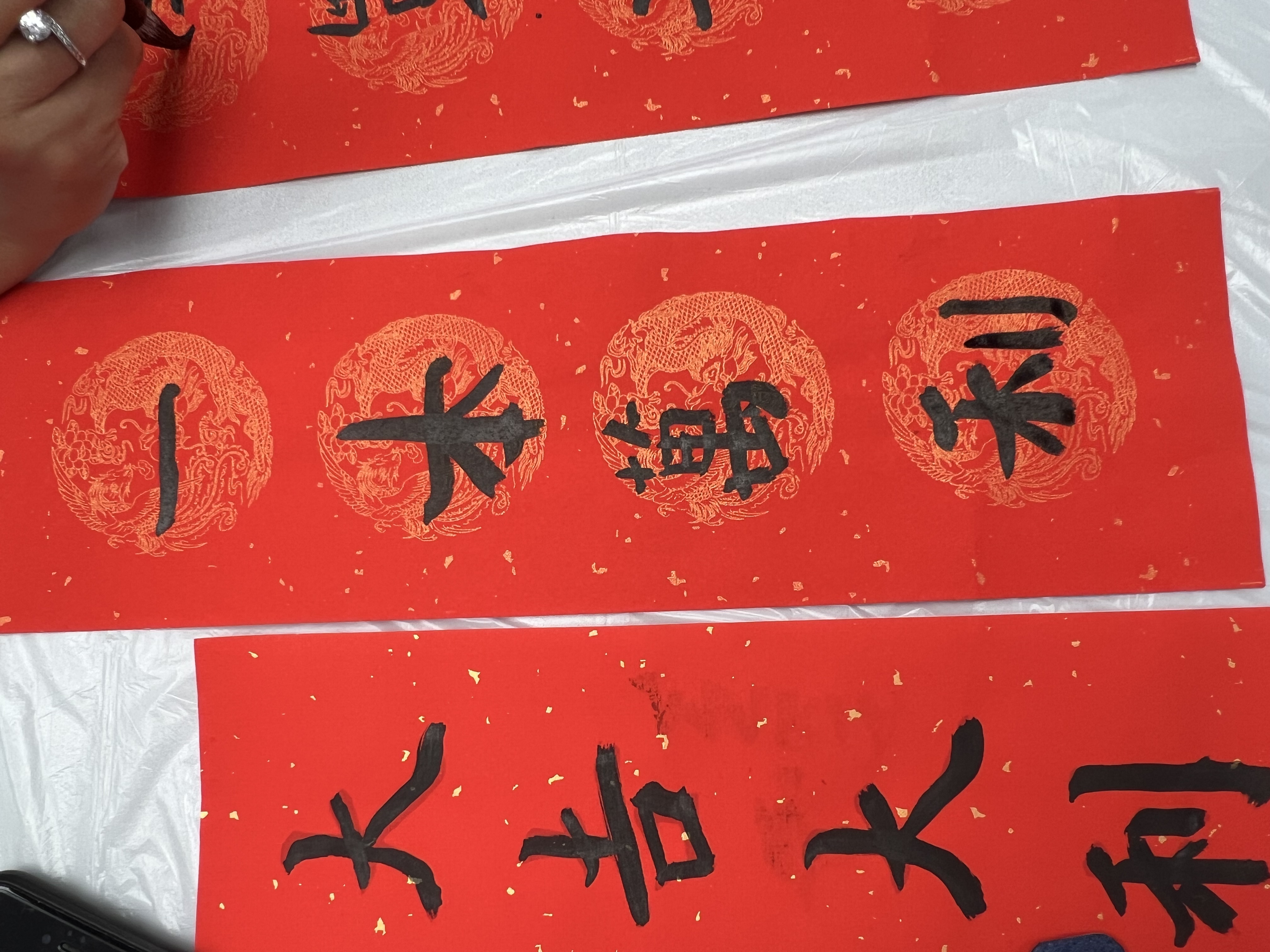
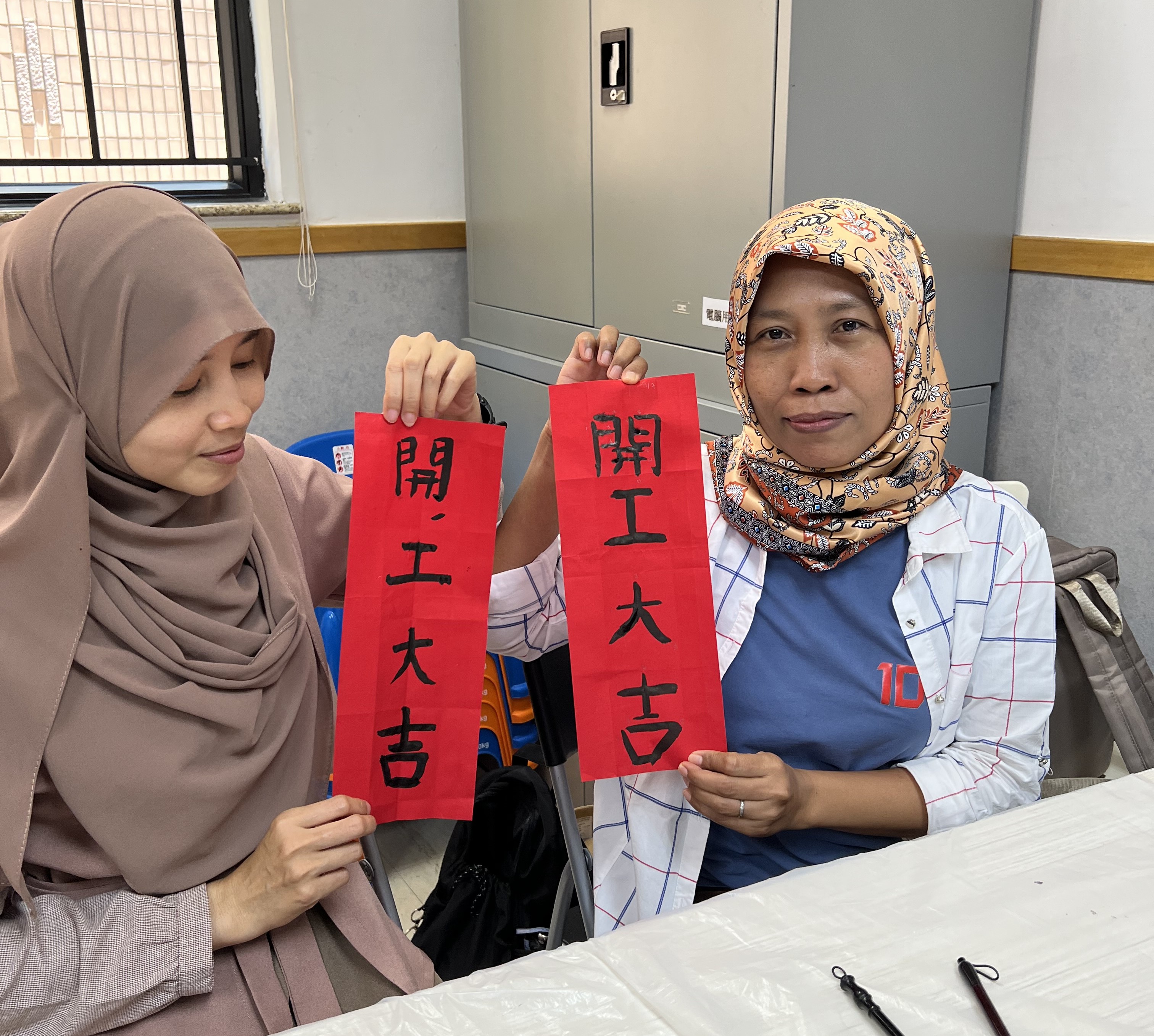
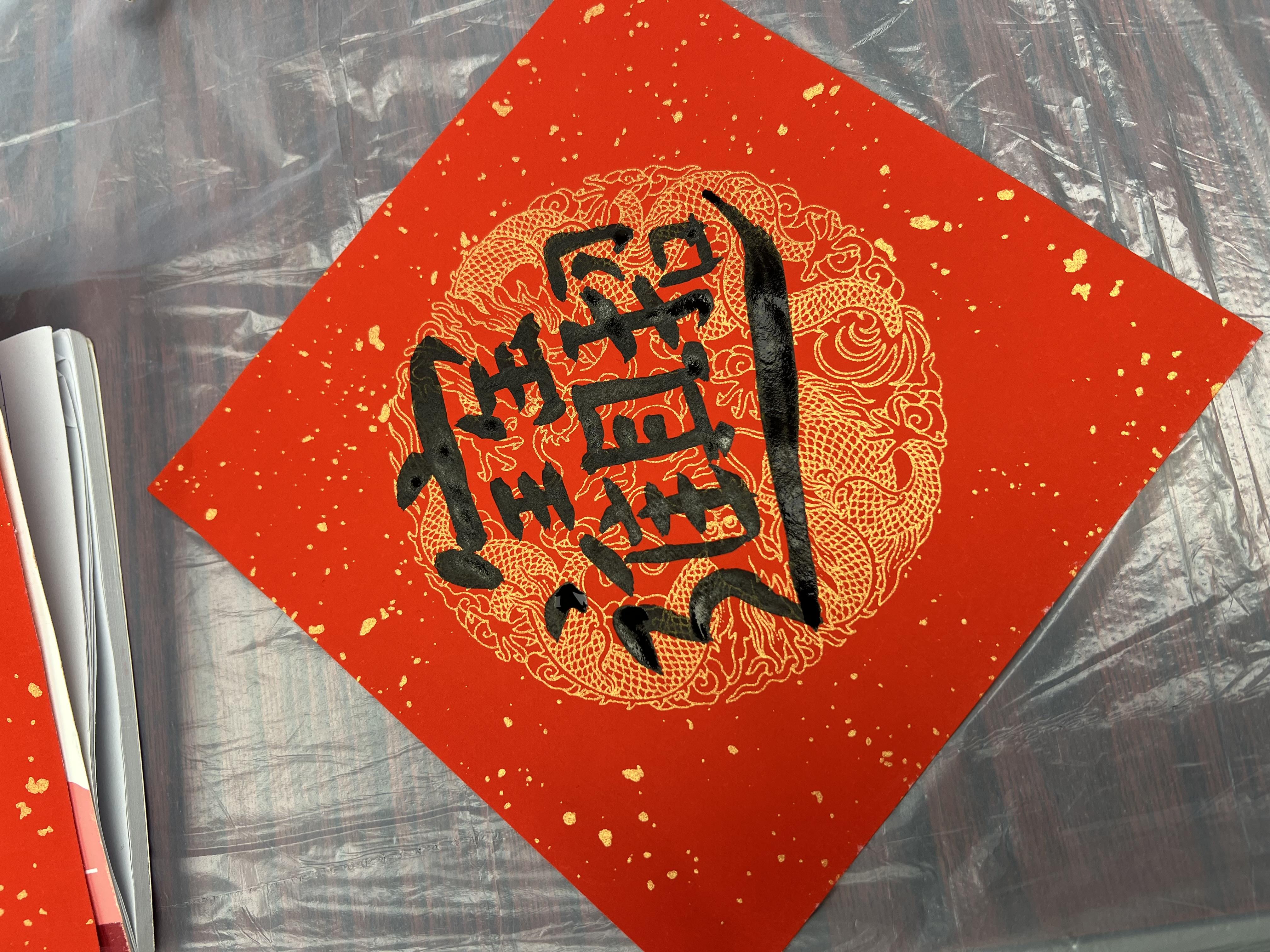
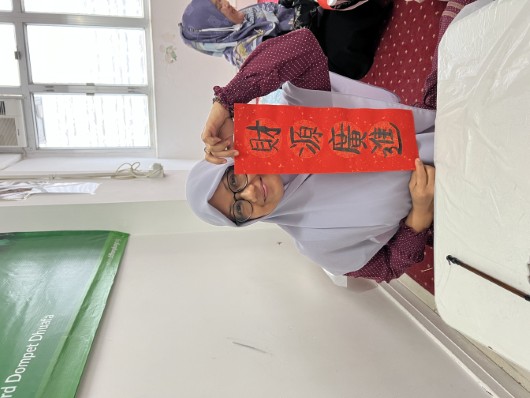
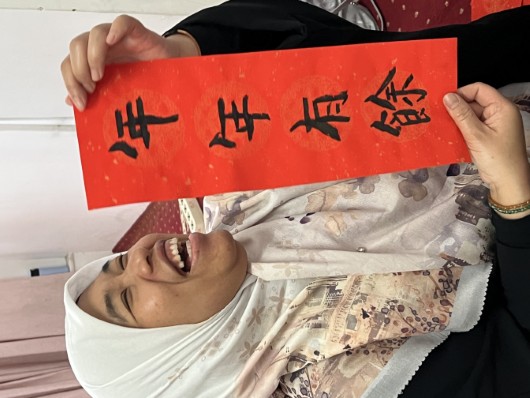
Chinese calligraphy and spring scroll writing remained an interesting part for many participants in both the basic and advanced-level classes. They practiced the fundamental brush strokes and with the tutor's guidance, learnt the correct stroke order of Chinese characters. Learning stroke order enabled participants to enjoy writing spring scrolls on their own.
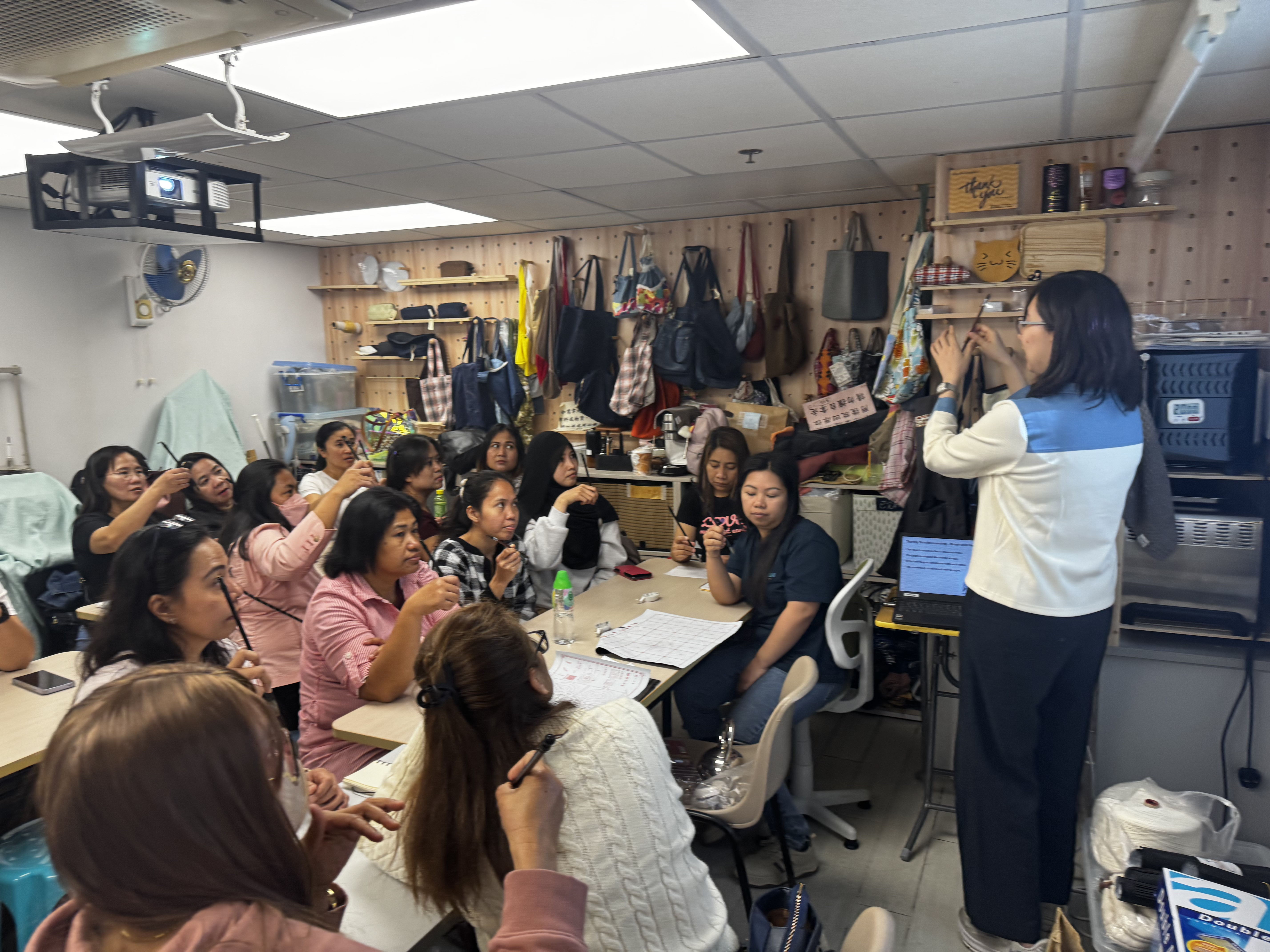
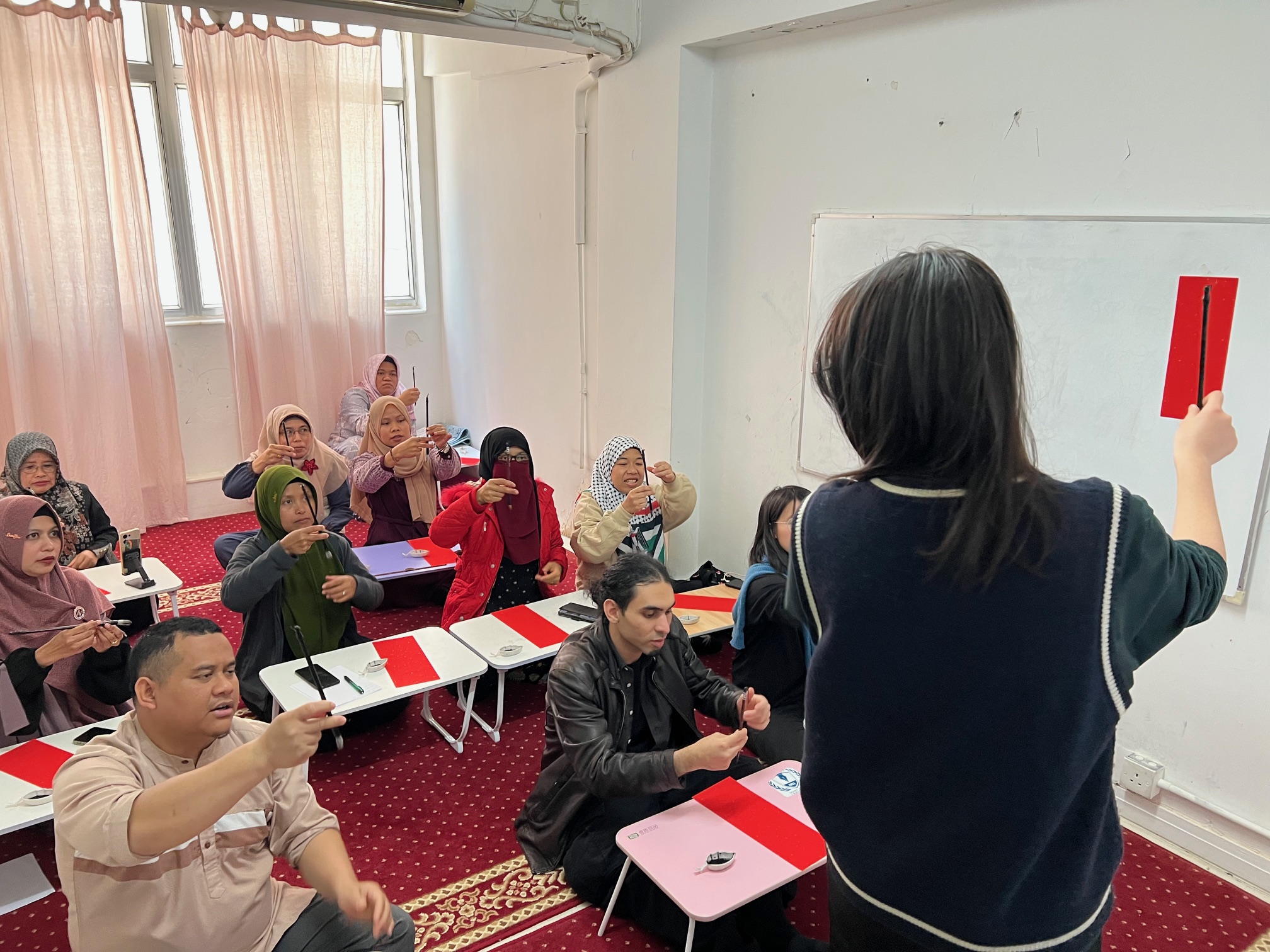
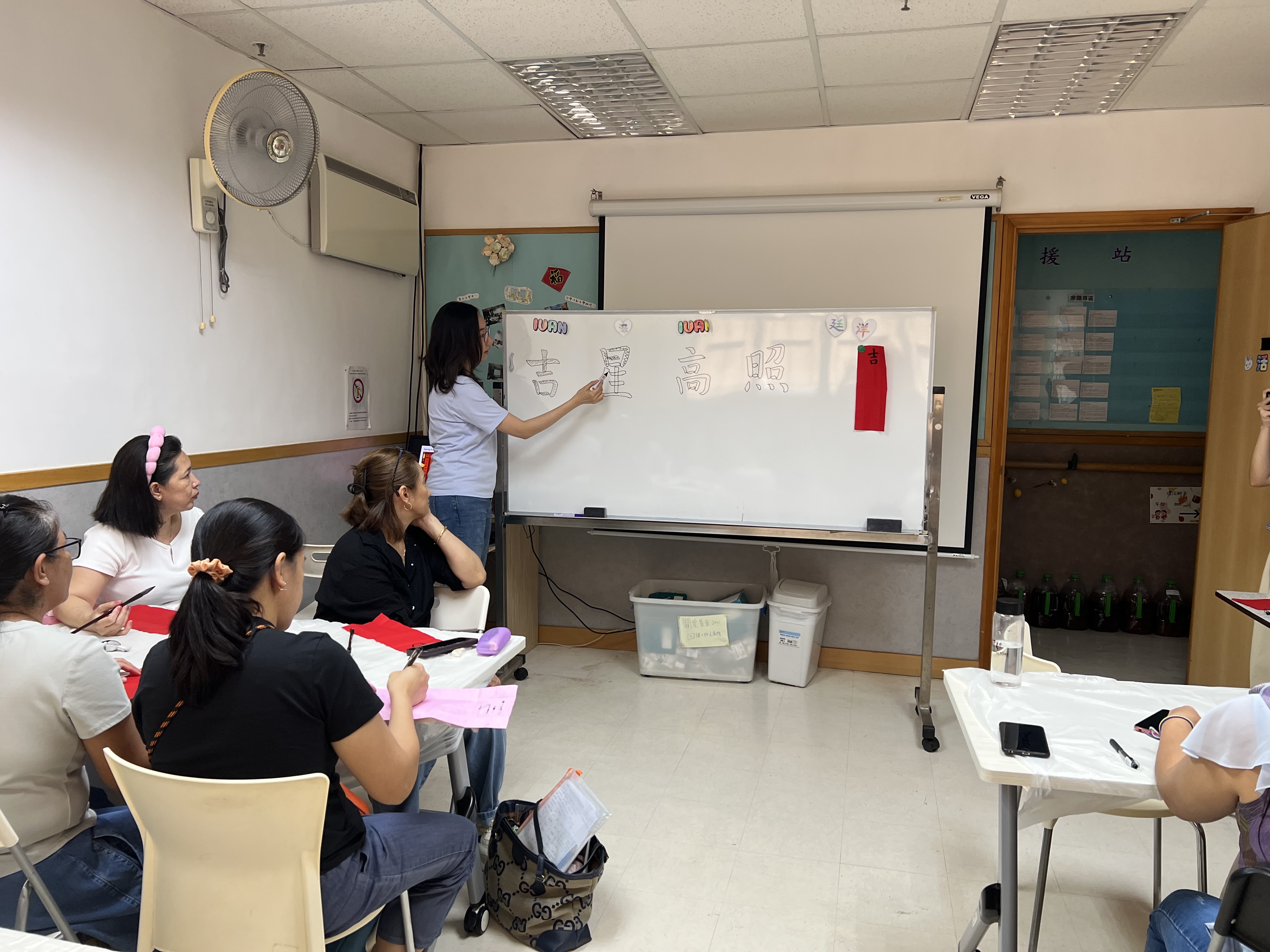
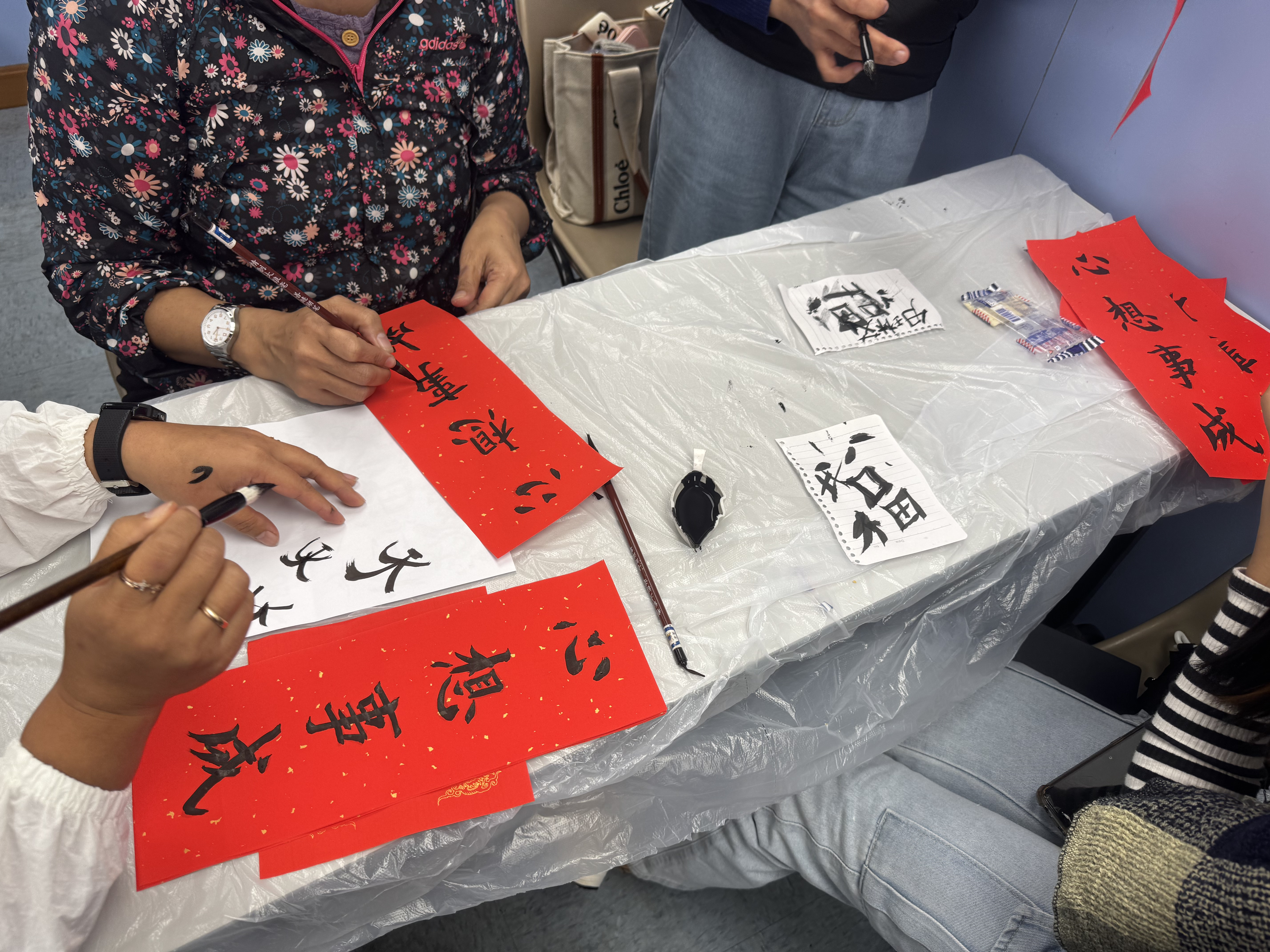
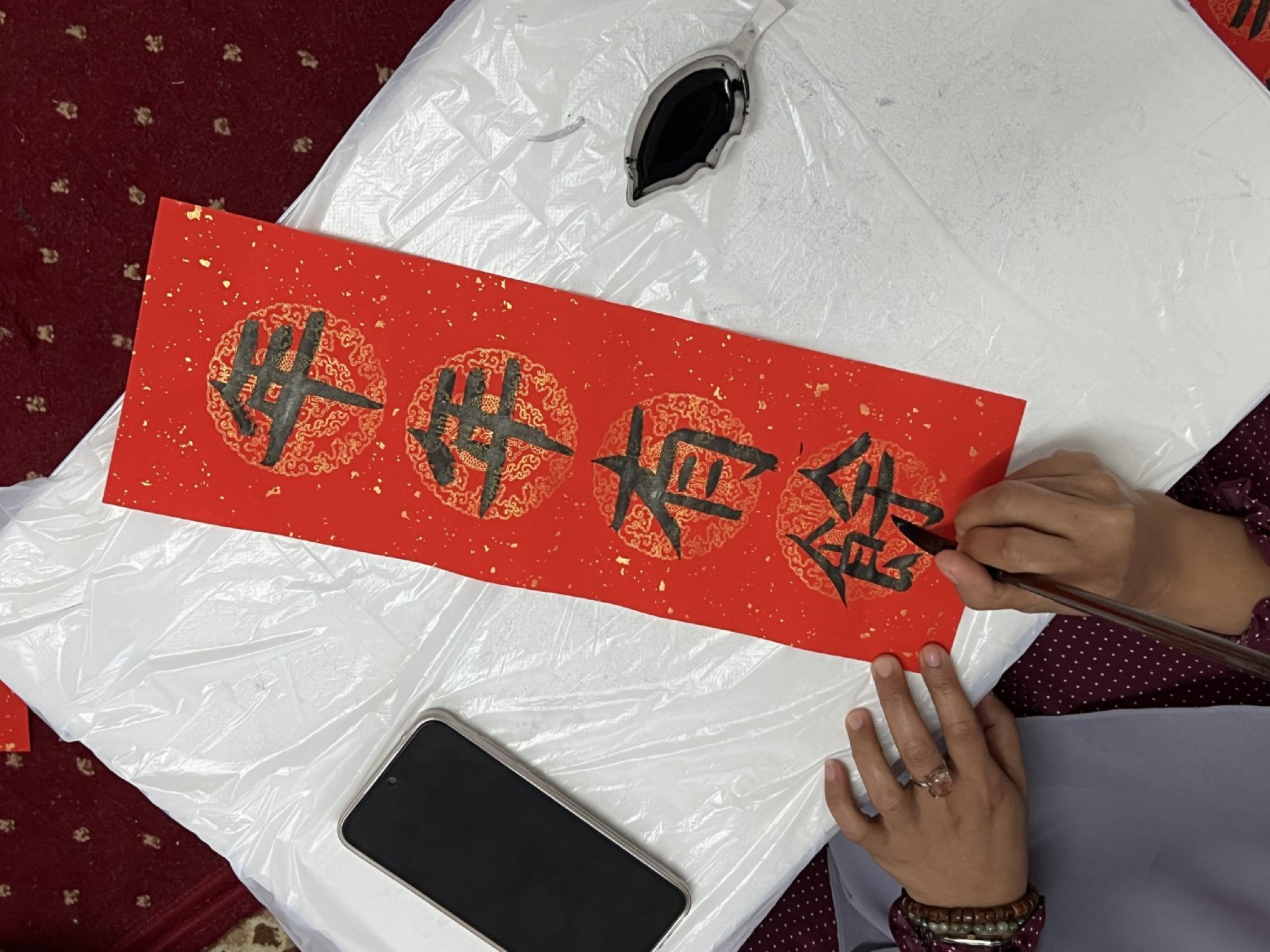
Participants were enthusiastic about their spring scroll works. They were eager to learn the pronunciation and understand the meanings behind each New Year greeting they wrote on their scrolls. Many expressed their interest in using these New Year greetings during the festive season.
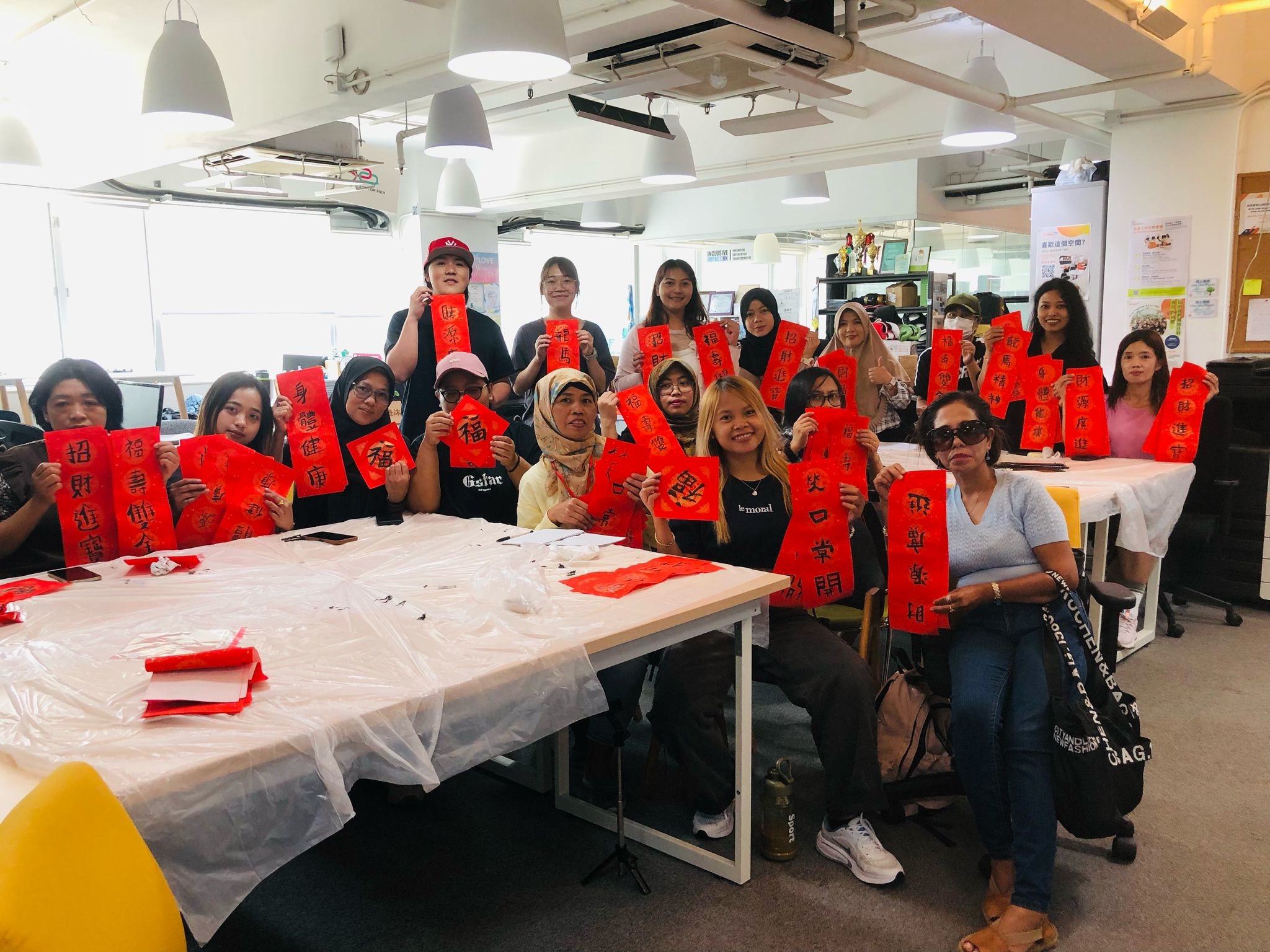
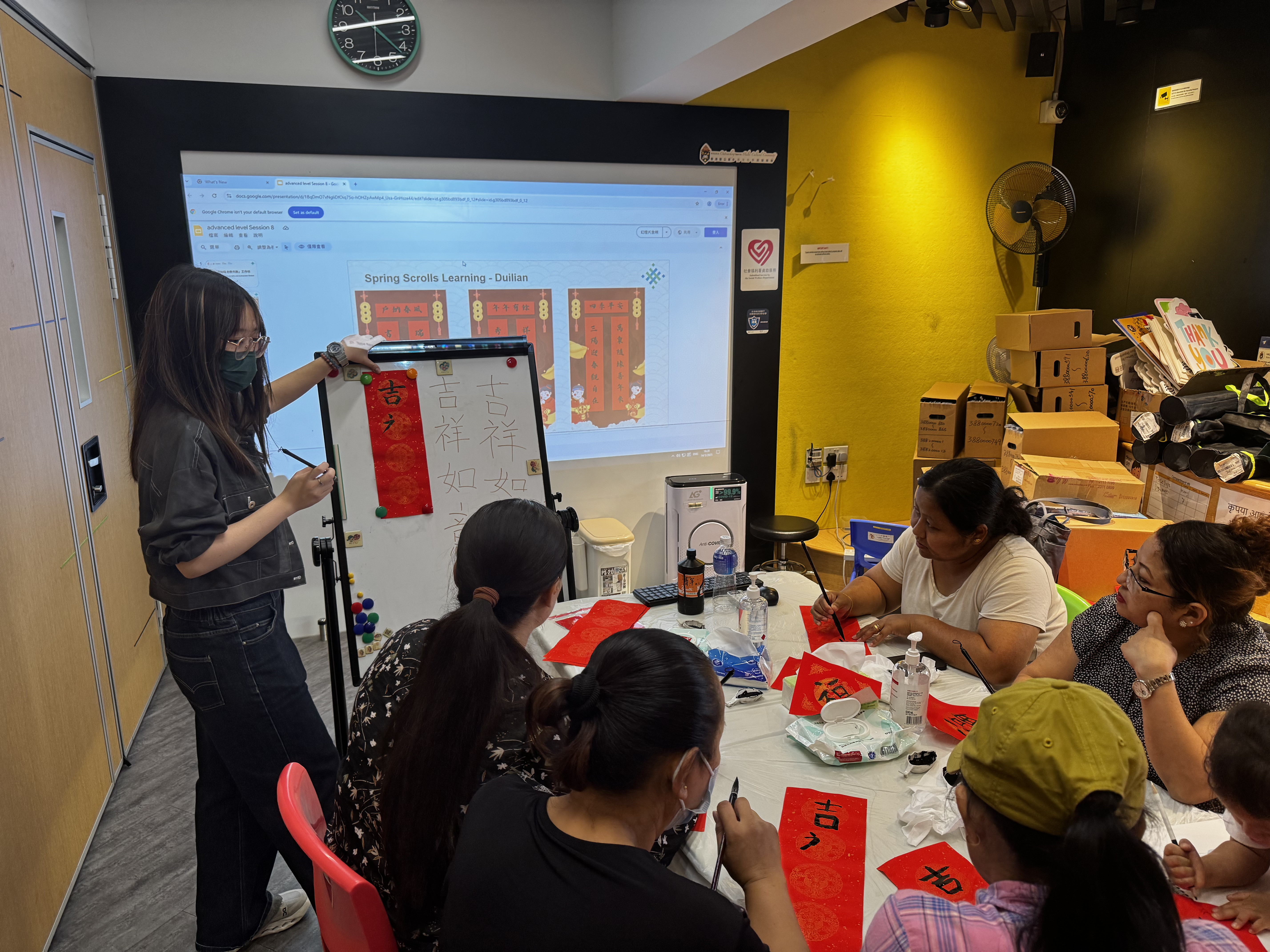
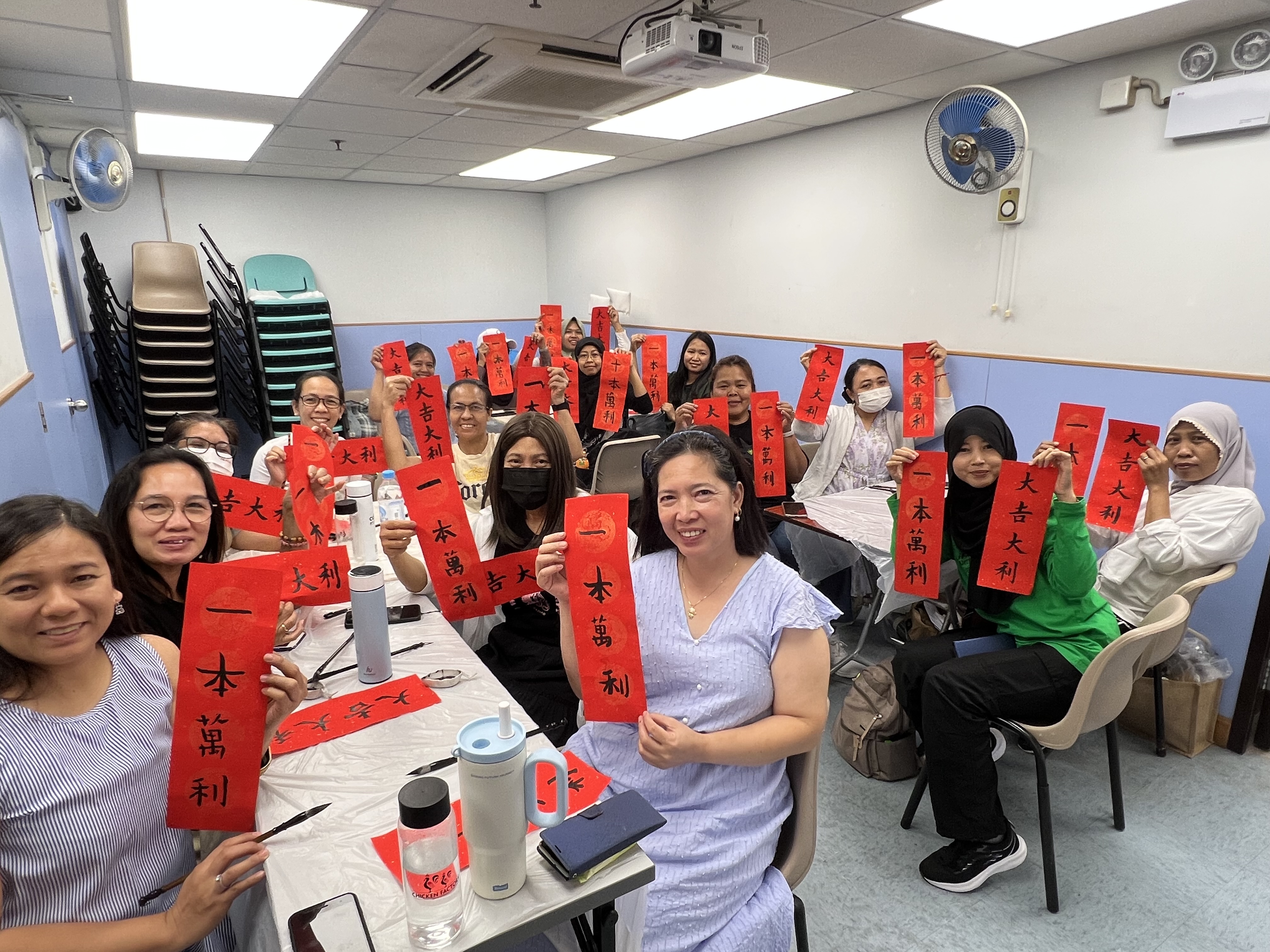
The advanced-level workshop explained the story of the 12 Chinese zodiac animals and the greetings associated with each zodiac. Participants learnt about the cultural and character significance associated with the birth year zodiac. They showed great interest and curiosity in discovering their own birth year zodiac.
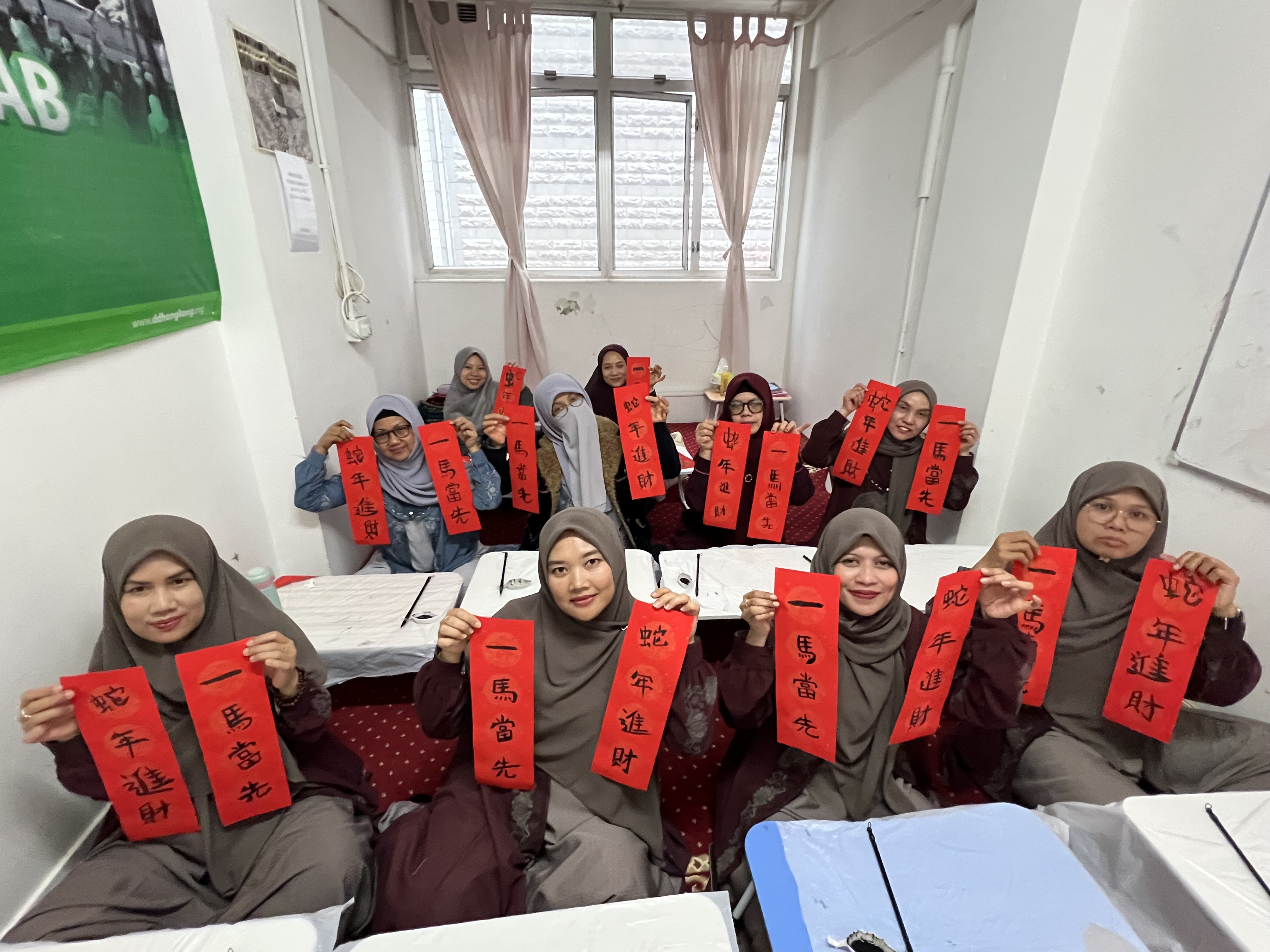
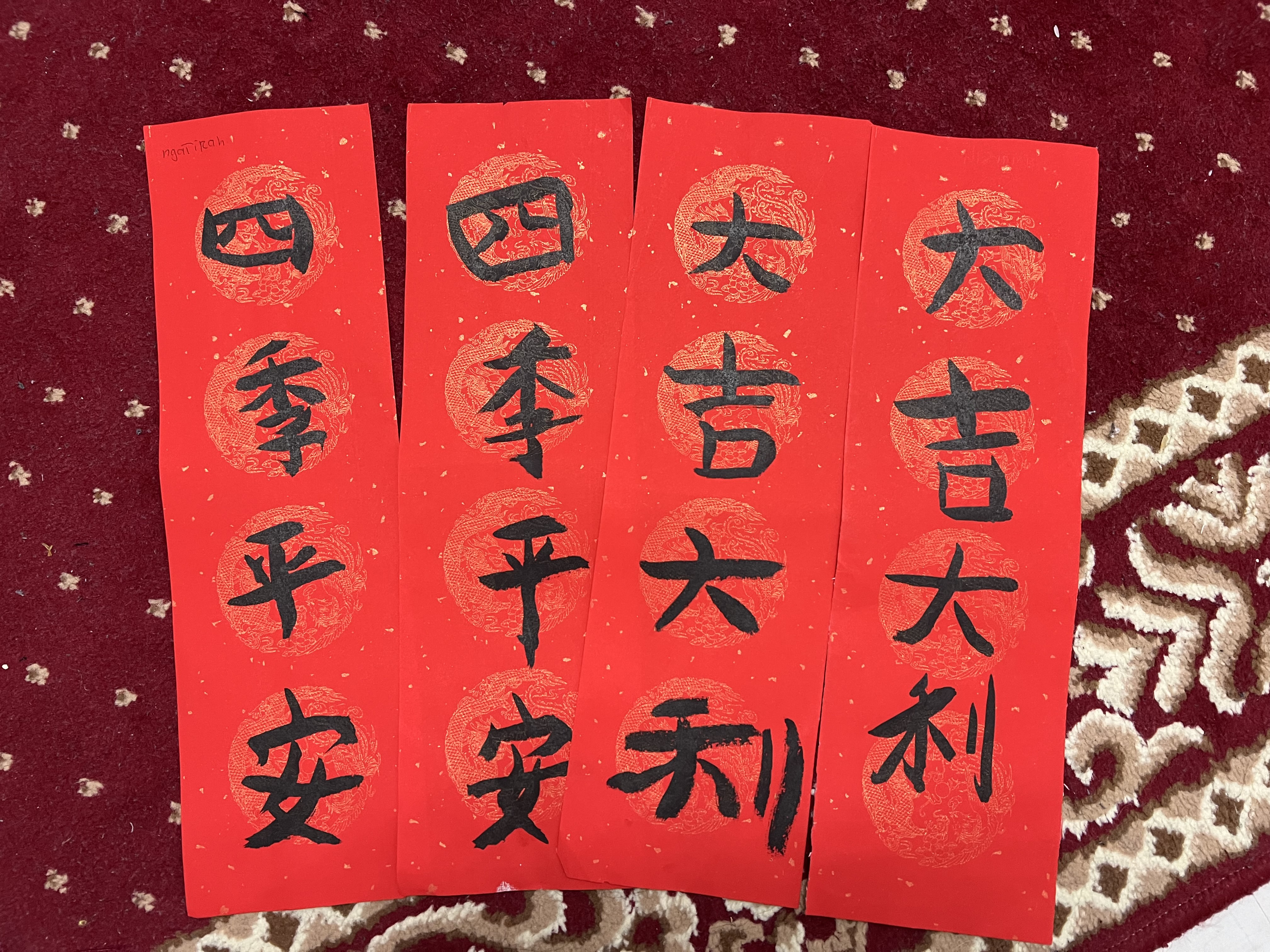
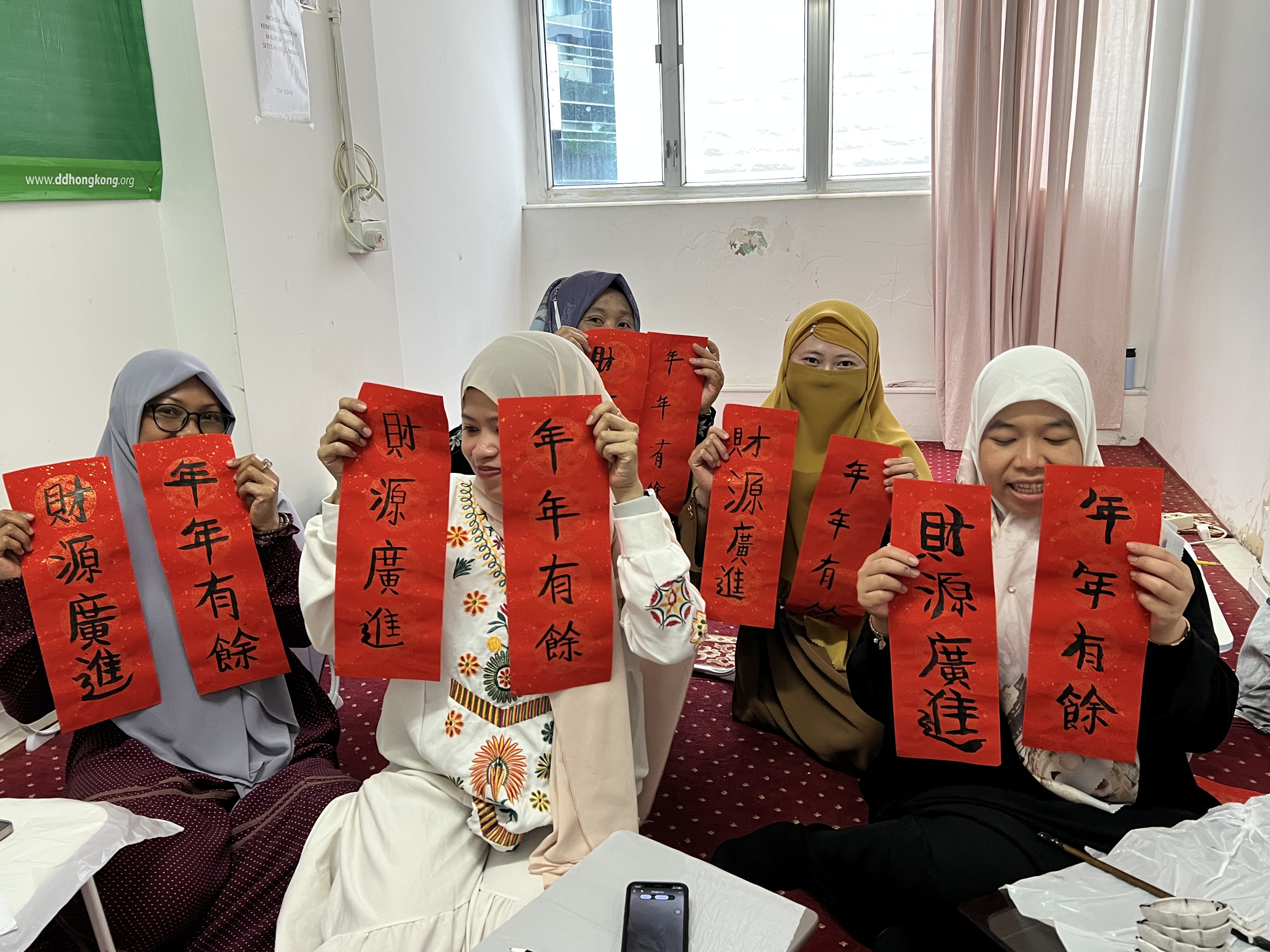
Spring scroll writings by participants
Participant feedback
Participants' feedback was very positive and encouraging: |
|
|
|
| 1. | Ethnic minority participants found the content relevant and practical. They expressed high interest in learning the Cantonese terms for common daily necessities that they encounter very often, such as kitchen utensils, tools, electronic appliances and the appropriate quantifiers. Many were unaware of and found it hard to use the correct quantifiers. They were pleased that the class provided a lot of examples to help them understand and apply the quantifiers effectively. |
|
|
| 2. | When teaching Cantonese vocabulary about the traditional customs and practices during Hong Kong festivals, participants commented that they do not understand the stories and reasons behind these traditions. For example, many do not know why the 12 zodiac animals follow the sequence from rat to pig, why rice dumplings are eaten during the Dragon Boat Festival, why glutinous rice dumplings are served at the Winter Solstice, and why people dress in red during Chinese New Year. Participants have provided feedback that the sharing of these customs was interesting and helpful, especially in learning about practices to avoid during festivals. Some were also excited to share their own customs and traditional festival foods in class. These exchanges represent genuine multicultural inclusion and mutual respect. |
|
|
| 3. | It is always difficult for many ethnic minorities to distinguish similar Cantonese pronunciations. Several participants similarly expressed their difficulties in differentiating the pronunciations like freeze (dung3) and pain (tung3); window (coeng1) and wall (coeng4); or lamp (dang1) and stool (dang3). They are now aware of the importance of initial consonants and tone and believe this awareness will help them in their Cantonese learning. |
|
|
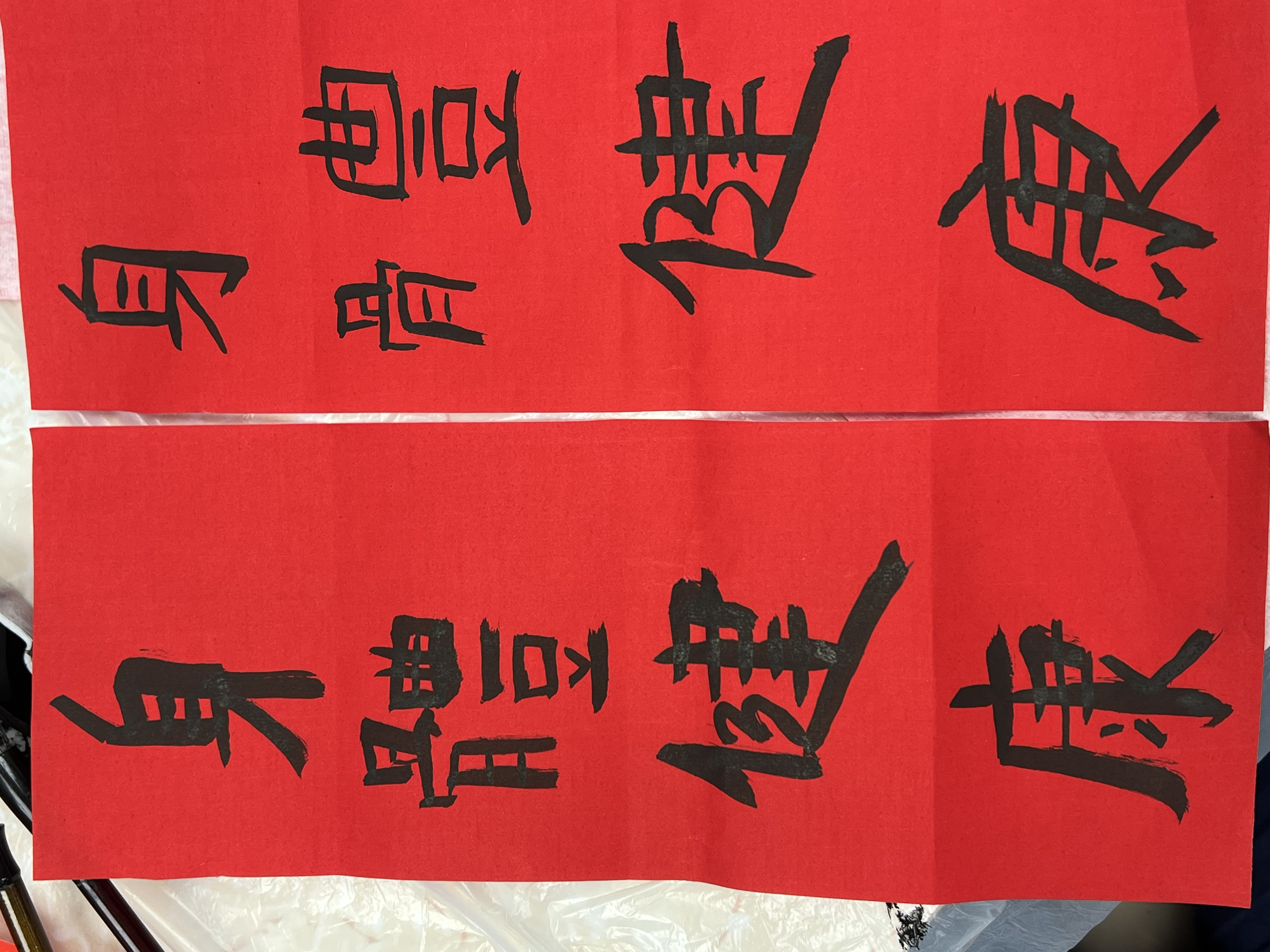
| 4. | Writing calligraphy and Chinese characters was a new experience for the participants. They all found it very challenging. They initially thought Chinese writing was difficult until the tutors taught them the stroke sequences step by step. When they completed their own spring scrolls, they were amazed by their ability to write Chinese independently. Many said that they felt a sense of achievement. They even welcomed the challenge of writing more complex spring scrolls with words that have more strokes. |
|
|
|
|
|
|
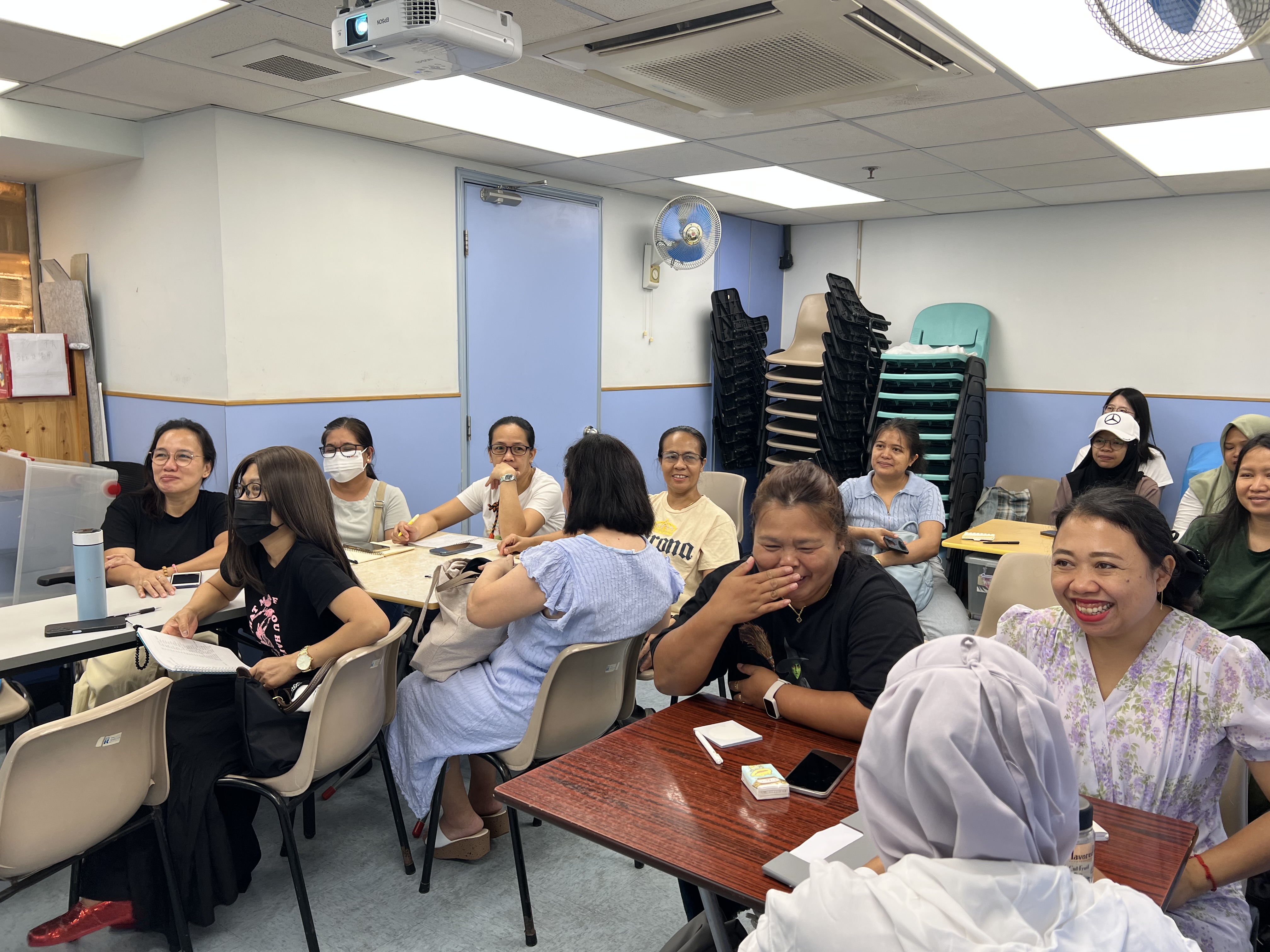
Overall, participants enjoyed the courses and expressed a strong interest in similar workshops in the future. |
|